
Balancing aesthetic appeal with practical needs is the cornerstone of successful interior design. This guide explores the art of seamlessly integrating style and functionality in your home decor, transforming spaces from merely functional to truly beautiful and comfortable. We’ll delve into practical applications across various rooms, examining diverse design styles and offering solutions for maximizing both style and utility.
From choosing furniture that’s both stylish and practical to incorporating functional storage solutions that don’t compromise on aesthetics, we’ll provide actionable advice and inspiring examples. Whether you’re aiming for a cozy, elegant, or minimalist aesthetic, this guide will empower you to create a space that reflects your personal style while meeting your everyday needs.
Defining Style and Functionality in Decor
The successful integration of style and functionality in interior design is a delicate balance, demanding a keen eye for aesthetics and a practical understanding of how spaces are used. It’s about creating environments that are both visually appealing and effortlessly accommodate the needs of the inhabitants. This requires careful consideration of the interplay between form and function, resulting in spaces that are not only beautiful but also highly usable and comfortable.
Style, in interior design, refers to the overall aesthetic of a space, encompassing elements like color palettes, furniture choices, textures, patterns, and the overall atmosphere created. Functionality, on the other hand, focuses on the practical aspects of a room, ensuring it effectively serves its intended purpose. This includes factors like storage solutions, traffic flow, lighting, and the ergonomic placement of furniture.
The ideal interior design seamlessly marries these two elements, creating spaces that are both beautiful and highly functional.
Examples of Style and Functionality Integration Across Diverse Design Styles
Several interior design styles demonstrate the successful blending of style and functionality. Consider a minimalist living room, characterized by clean lines, neutral colors, and a limited number of carefully selected furniture pieces. The minimalist aesthetic prioritizes simplicity and openness, which also enhances functionality by maximizing space and creating a sense of calm. The lack of clutter makes cleaning and maintaining the space effortless.
Alternatively, a traditional style living room might feature ornate furniture, rich fabrics, and detailed architectural elements. Functionality is integrated through clever storage solutions hidden within built-in cabinetry and strategically placed shelving, ensuring the room remains organized despite its decorative richness. A contemporary kitchen, with its sleek cabinetry, stainless steel appliances, and open shelving, combines style with practicality. The open shelving provides both display space and easy access to frequently used items.
Even a bohemian style bedroom, known for its eclectic mix of patterns, textures, and global influences, can prioritize functionality through the use of versatile storage ottomans, layered rugs for warmth and comfort, and ample natural light to create a relaxed and inviting atmosphere.
Challenges in Balancing Aesthetic Appeal and Practical Needs
Balancing style and functionality presents several key challenges. One common issue is the temptation to prioritize aesthetics over practicality. A visually stunning room filled with delicate, impractical furniture might look beautiful in photographs but prove incredibly difficult to live in. Conversely, focusing solely on functionality can result in a sterile and uninviting space, lacking the personality and warmth that make a home feel truly lived-in.
Finding the right balance requires careful planning and a willingness to compromise. For example, choosing a beautiful but durable sofa fabric that can withstand daily wear and tear requires careful consideration. Similarly, incorporating stylish storage solutions that don’t compromise on space efficiency is crucial. Another challenge lies in adapting the design to the needs and lifestyles of the inhabitants.
A family home needs to prioritize durability and easy maintenance over delicate finishes, whereas a single person’s apartment might prioritize aesthetics over extensive storage.
Comparison of Style-Over-Function and Function-Over-Style Decor
Comparing spaces that prioritize style over function with those prioritizing function over style reveals stark differences in their impact. A home prioritizing style might feature a stunning, yet impractical, glass coffee table that’s prone to scratches and difficult to clean. This results in a visually appealing space that’s ultimately less enjoyable to live in due to its high-maintenance nature.
In contrast, a space prioritizing function might feature practical, yet aesthetically uninspired, furniture and lack decorative elements. While highly functional and easy to maintain, this space might feel cold, impersonal, and lacking in character. The ideal approach lies in finding a harmonious blend, where functional elements are chosen for their aesthetic appeal and stylish pieces are selected for their practicality.
Practical Applications
Blending style and functionality in interior design isn’t about compromise; it’s about synergy. A well-designed space seamlessly integrates aesthetics and practicality, creating an environment that is both beautiful and user-friendly. This section explores practical applications of this principle across different rooms, demonstrating how to achieve a harmonious balance between form and function.
Functional Storage Solutions in Living Room Designs
Effective storage is crucial in a living room, preventing clutter and maintaining a sense of order. However, storage solutions shouldn’t detract from the room’s overall aesthetic. The following table Artikels various options that prioritize both style and functionality:
| Storage Solution | Style | Material | Room Placement |
|---|---|---|---|
| Built-in shelving units | Modern, minimalist, or traditional depending on design | Wood, metal, or a combination | Along a wall, behind a sofa, or as a room divider |
| Ottomans with storage | Versatile, can complement various styles | Fabric, leather, wood | Center of the room, by a seating area |
| Coffee table with drawers or shelves | Depends on the table’s design; can be rustic, modern, or classic | Wood, glass, metal | Center of the living room seating area |
| Media console with closed storage | Contemporary, mid-century modern, or traditional | Wood, metal, lacquer | Against a wall, often housing entertainment equipment |
Stylish and Functional Kitchen Design
A well-designed kitchen prioritizes efficient workflow while maintaining a visually appealing space. A galley kitchen layout, for instance, can be both stylish and highly functional. Imagine a galley kitchen with sleek, white shaker cabinets made from durable lacquered wood. These cabinets offer ample storage and a clean, modern aesthetic. The countertops could be crafted from quartz, offering both beauty and easy maintenance.
A subway tile backsplash adds a classic touch while protecting the walls. Stainless steel appliances maintain a contemporary feel and contribute to a sense of effortless sophistication. The overall effect is a kitchen that is both visually stunning and incredibly efficient, promoting a smooth cooking experience.
Stylish and Practical Bedroom Furniture
Creating a stylish and functional bedroom involves carefully selecting furniture that maximizes space and storage while maintaining an elegant atmosphere. A platform bed with built-in drawers, for example, provides ample storage without sacrificing floor space. A mirrored wardrobe not only offers substantial storage but also reflects light, making the room appear larger and brighter. A floating nightstand, with minimal visual footprint, allows for a clean, modern aesthetic.
Choosing furniture with clean lines and neutral colors creates a sense of calm and spaciousness. The strategic use of mirrors and light-colored materials further enhances the feeling of openness and airiness. The overall effect is a bedroom that is both sophisticated and practical, creating a relaxing and efficient space.
Specific Decor Styles and Their Functional Counterparts
Blending aesthetics with practicality is key to creating a home that’s both beautiful and livable. This section explores several popular decor styles and demonstrates how to integrate functionality seamlessly, ensuring your space works as hard as it looks. We’ll delve into specific examples, offering practical tips and material suggestions for achieving a harmonious balance between form and function.
Cozy and Functional Decor with Sustainable Materials
Creating a cozy atmosphere doesn’t necessitate sacrificing functionality or environmental responsibility. Sustainable materials offer both aesthetic appeal and long-term benefits. By choosing ethically sourced and eco-friendly options, you can build a warm and inviting space while minimizing your environmental impact.
The following sustainable materials offer a range of applications for achieving a cozy and functional decor:
- Bamboo: A rapidly renewable resource, bamboo can be used for flooring, furniture, and even wall panels, offering a natural and warm aesthetic. Its durability ensures longevity, enhancing functionality.
- Reclaimed Wood: Giving old wood a new life reduces waste and adds character to any room. Reclaimed wood can be used for shelving, accent walls, or even furniture, providing a unique and rustic touch.
- Cork: A sustainable and versatile material, cork is excellent for flooring, wall coverings, and even trivets. Its natural insulating properties contribute to a cozy atmosphere.
- Organic Cotton: Used in textiles like rugs, cushions, and throws, organic cotton provides a soft and comfortable texture, adding warmth and visual appeal without harmful chemicals.
- Wool: A natural insulator, wool is perfect for rugs, blankets, and throws. Its durability and natural beauty make it a functional and stylish choice.
Elegant and Functional Home Office Space
An elegant home office needn’t be impractical. Organization and productivity are paramount, and these can be achieved through thoughtful design choices. The key lies in maximizing space and incorporating smart storage solutions.
Several strategies can enhance both the elegance and functionality of a home office:
- Built-in shelving and cabinetry: Custom-designed storage solutions maximize vertical space and minimize visual clutter, creating a clean and organized workspace.
- A well-organized desk setup: Utilize desk organizers, drawer dividers, and cable management systems to keep essentials within easy reach and maintain a clutter-free environment.
- Ergonomic furniture: Investing in a comfortable and supportive chair and desk promotes productivity and well-being. This contributes to both physical and mental functionality.
- Natural light and ventilation: Maximize natural light by positioning the desk near a window and ensuring adequate ventilation for a productive and comfortable workspace.
- Neutral color palette with pops of color: A calming neutral base enhances focus, while strategic pops of color add personality and visual interest without being distracting.
Minimalist Design with Maximum Storage in a Small Apartment
Minimalist design, often associated with less is more, can be highly functional, especially in small spaces. The key is to maximize storage without compromising the clean lines and simplicity of the style.
Several techniques can be employed to achieve this balance:
- Multi-functional furniture: Utilize pieces that serve multiple purposes, such as ottomans with storage, beds with built-in drawers, or coffee tables with hidden compartments.
- Vertical storage solutions: Maximize vertical space with tall bookshelves, wall-mounted shelves, and hanging organizers to store items efficiently without cluttering the floor.
- Hidden storage: Incorporate hidden storage solutions such as under-bed storage, storage benches, or cabinets with discreet handles to maintain a clean and uncluttered aesthetic.
- Decluttering regularly: Regular decluttering is crucial for maintaining a minimalist aesthetic and ensuring that storage spaces are not overwhelmed.
- Light and airy color palette: A light and airy color palette helps create an illusion of more space and enhances the sense of openness, complementing the minimalist design.
Incorporating Bold Colors While Maintaining Functionality and Avoiding Visual Clutter
Bold colors can add personality and vibrancy to a space, but it’s essential to use them strategically to avoid overwhelming the room and compromising functionality. The secret lies in balance and thoughtful placement.
Several approaches ensure that bold colors enhance rather than detract from functionality:
- Use bold colors as accents: Instead of painting entire walls, use bold colors on smaller areas like an accent wall, furniture, or accessories to add a pop of color without overwhelming the space.
- Balance bold colors with neutrals: Pair bold colors with neutral colors like white, beige, or gray to create a sense of balance and prevent the space from feeling too busy.
- Consider the room’s function: Choose bold colors that complement the room’s function. For example, calming blues and greens are suitable for bedrooms, while energizing yellows and oranges might work well in a kitchen or dining area.
- Keep patterns simple: If using patterned fabrics or wallpapers with bold colors, opt for simple patterns to prevent visual clutter.
- Strategic use of lighting: Proper lighting can help to enhance the vibrancy of bold colors while preventing them from feeling overpowering.
Balcony Decor
Transforming a balcony from an underutilized space into a stylish and functional extension of your home requires careful planning and a keen eye for detail. Balancing aesthetics with practicality is key, ensuring the space is both visually appealing and serves a purpose. This section explores how to achieve this balance through various design schemes and practical solutions.
Balcony Decor Schemes: Minimalist, Bohemian, and Modern Styles
Creating a cohesive and functional balcony space begins with choosing a style that reflects your personal taste and lifestyle. Three distinct approaches—minimalist, bohemian, and modern—demonstrate how different aesthetics can be successfully integrated with practicality.
- Minimalist Balcony: This scheme prioritizes clean lines, simplicity, and functionality. Imagine a small, sleek bistro table and two chairs made of powder-coated steel or lightweight aluminum. A single, large potted plant in a minimalist ceramic pot provides a touch of greenery. Storage is discreet, perhaps a slim, wall-mounted shelf for essentials. The overall color palette is neutral, with shades of white, gray, and beige dominating.
The effect is one of calm and airy spaciousness.
- Bohemian Balcony: This style embraces a more eclectic and layered aesthetic. Think comfortable, woven seating—perhaps a hanging chair or a pair of brightly colored floor cushions—placed on a patterned rug. Abundant plants in various sizes and textures add to the bohemian feel. Macrame wall hangings and colorful throw pillows provide visual interest and texture. Storage might involve a repurposed wooden crate or a charming wicker basket for blankets and other items.
The overall atmosphere is relaxed and inviting.
- Modern Balcony: This approach focuses on clean lines, geometric shapes, and contemporary materials. A modular sofa or sleek bench made of concrete or composite wood provides seating. Metal planters with geometric designs hold carefully chosen plants. Lighting is crucial; perhaps a minimalist pendant light or strategically placed LED strip lighting. A small, low-profile storage unit with sliding doors maintains the clean lines of the design.
The overall feel is sophisticated and stylish.
Balcony Space: Practical Storage and Aesthetic Features
Visualize a balcony space approximately 6 feet by 8 feet. The floor is covered in large, grey porcelain tiles, offering a modern and easy-to-clean surface. A built-in, narrow bench along one wall provides seating and conceals storage underneath, accessible via hinged lids. A vertical garden using wall-mounted planters adds greenery and enhances the aesthetic appeal. String lights draped along the railing create a warm, inviting ambiance in the evenings.
A small, round table made of teak wood, resistant to weather, sits in the center, with two foldable chairs for flexibility. The overall impression is one of sophisticated simplicity, where practicality is seamlessly integrated into the design.
Challenges and Solutions for Limited Balcony Space
Creating a functional and stylish balcony in a limited area presents unique challenges. Maximizing space and storage is crucial.
- Space Maximization: Utilizing vertical space is key. Wall-mounted shelves, vertical gardens, and hanging planters help avoid cluttering the floor. Folding furniture, such as a collapsible table and chairs, allows for flexible use of the space. Choosing lightweight and compact furniture pieces also helps to prevent the balcony from feeling cramped.
- Storage Solutions: Built-in storage, such as the bench with concealed storage mentioned earlier, is an excellent solution. Multi-functional furniture, like ottomans with storage inside, also contributes to maximizing storage. Utilizing slim, wall-mounted shelves for books, plants, or decorative items helps keep the floor clear. Using stackable storage containers for seasonal items is also an effective space-saving solution.
Accent Pieces
Accent pieces are the unsung heroes of interior design, possessing the power to seamlessly blend style and functionality. They offer a unique opportunity to personalize a space, adding character and practicality without undertaking major renovations. Strategic placement and careful selection are key to maximizing their impact.Choosing the right accent pieces involves considering both aesthetic appeal and practical benefits.
A well-chosen rug not only adds warmth and visual interest but can also dampen sound and define a seating area. Similarly, thoughtfully selected throw pillows offer extra comfort and can dramatically alter the room’s color palette and texture.
Sound-Absorbing Accent Pieces
Sound-absorbing accent pieces are particularly valuable in open-plan living spaces or rooms with hard surfaces that tend to echo. Thick, woven rugs made from natural fibers like wool or jute are excellent sound dampeners. Similarly, plush, oversized throw pillows filled with down or microfiber can absorb sound waves, creating a more peaceful and intimate atmosphere. Wall hangings made from thick, textured fabrics, or even strategically placed bookshelves, can also contribute to sound absorption.
Consider the size and placement of these pieces; larger rugs and strategically placed pillows will have a greater impact.
Accent Pieces that Double as Extra Seating
Large, floor cushions or poufs provide extra seating options while adding a touch of bohemian flair or modern minimalist style depending on their design. These versatile pieces can be easily moved and rearranged to accommodate different needs and occasions. A well-placed bench at the foot of a bed serves as both a stylish addition and a practical spot to sit while putting on shoes or simply enjoying a quiet moment.
The choice of material and color should reflect the overall design scheme of the room. For instance, a sleek, leather bench would complement a contemporary setting, while a rustic wooden bench would suit a more traditional aesthetic.
Choosing Accent Pieces to Complement Existing Decor
Selecting accent pieces that enhance the existing decor requires careful consideration of color, texture, and pattern. If the room features a predominantly neutral palette, vibrant throw pillows or a patterned rug can inject personality and visual interest. Conversely, in a space with bold colors and patterns, subtle accent pieces can create balance and harmony. The texture of the accent pieces should also complement the existing furnishings.
For example, a plush velvet throw pillow would complement a room with soft furnishings, while a textured jute rug would work well with natural materials like wood and rattan. Always consider the scale of the accent pieces relative to the size of the room to avoid overwhelming the space or making it feel cramped. A large rug in a small room can make it feel smaller, whereas smaller rugs in larger rooms can appear lost and insignificant.
Exploring Different Decor Styles
Blending style and functionality requires a nuanced understanding of various design aesthetics and their practical implications. This section explores three distinct styles – cozy, elegant, and functional – examining their core components and demonstrating how they can be effectively integrated within a living space. We will analyze their commonalities and differences, highlighting how to seamlessly merge aesthetics with everyday usability.
Cozy and Functional Living Room Design
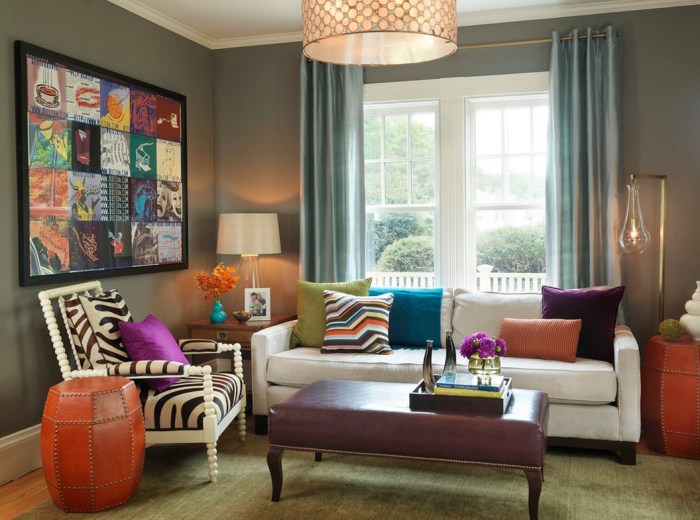
Creating a cozy yet functional living room involves a thoughtful selection of textiles, lighting, and furniture arrangement. The goal is to achieve warmth and comfort without sacrificing practicality. Soft, plush textures in throws, cushions, and rugs contribute significantly to the cozy ambiance. Think chunky knit blankets draped over a comfortable sofa, plush velvet cushions in rich jewel tones, and a sheepskin rug underfoot.
However, functionality remains crucial. Choose durable fabrics that are easy to clean, and opt for furniture with ample storage to prevent clutter. Layered lighting, incorporating ambient, task, and accent lighting, enhances both the atmosphere and usability. A warm-toned area rug anchors the space, while strategically placed floor lamps provide task lighting for reading. Furniture arrangement should prioritize both comfort and flow; consider a comfortable sectional sofa arranged to facilitate conversation, supplemented by strategically placed ottomans for additional seating and footrests.
Elegant and Functional Dining Room Design
An elegant yet functional dining room balances sophistication with practicality. The key is to create a space that is both visually stunning and conducive to comfortable dining. Table settings play a crucial role; consider high-quality, yet durable, dinnerware and silverware. A well-placed centerpiece, perhaps a simple arrangement of fresh flowers or a stylish candle arrangement, adds a touch of elegance without overwhelming the space.
Lighting is critical; a statement chandelier can create a dramatic focal point, while strategically placed wall sconces provide softer, ambient illumination. The choice of furniture should reflect both style and functionality; a sturdy, well-crafted dining table and comfortable chairs are essential. Consider a buffet or sideboard for storage, providing a practical solution for storing linens and serving dishes.
The overall ambiance should be refined and welcoming, promoting conversation and enjoyment of meals.
Mood Board Depicting Cozy, Elegant, and Functional Styles
Imagine a mood board divided into three sections, each representing a different style. The “Cozy” section features images of plush textiles, warm lighting, and comfortable furniture arranged in a relaxed, inviting manner. Think soft, muted colors, natural materials like wood and wool, and a general sense of warmth and comfort. The “Elegant” section showcases images of sleek lines, sophisticated materials like polished wood and marble, and refined details like crystal glassware and ornate lighting fixtures.
The color palette is more refined, perhaps featuring neutral tones with pops of metallic accents. The “Functional” section highlights images of streamlined furniture, efficient storage solutions, and clear, uncluttered spaces. The color palette is neutral and practical, emphasizing clean lines and efficient design. The board could then include a fourth section showcasing potential combinations, for instance, a cozy living room with functional storage solutions, or an elegant dining room with comfortable, yet stylish, seating.
This illustrates how these styles can be successfully interwoven to create a harmonious and practical living space.
Ultimately, combining style and functionality in decor is about creating a space that’s both visually appealing and effortlessly practical. By thoughtfully considering the interplay between aesthetics and utility, you can design a home environment that enhances your daily life and reflects your unique personality. Remember that the most successful designs are those that seamlessly blend form and function, resulting in a space that is both beautiful and deeply personal.
Answers to Common Questions
What are some affordable ways to add functionality to my decor?
Repurposing existing items (like using old crates as shelving), DIY storage solutions (like building a simple bookshelf), and shopping secondhand for furniture and accessories are budget-friendly options.
How can I ensure my functional decor choices still reflect my personal style?
Start by defining your style preferences (e.g., minimalist, bohemian, modern). Then, select functional pieces that align with that style, paying attention to color palettes, materials, and overall design aesthetics.
How do I balance functionality with a visually uncluttered space?
Prioritize multi-functional furniture (like ottomans with storage), utilize vertical space (shelving, wall-mounted organizers), and keep surfaces clear by storing items out of sight.


