
Transforming your house into a home is a journey of self-expression, reflecting personal style and creating a haven of comfort and beauty. This exploration into home decor inspiration delves into diverse styles, practical solutions, and the artistry of creating spaces that resonate with your unique vision. Whether you’re captivated by minimalist elegance or the vibrant energy of maximalism, this guide provides a wealth of ideas and practical advice to help you craft the perfect ambiance.
From designing cozy living spaces to maximizing the potential of small balconies and incorporating functional elements seamlessly, we cover a range of topics designed to inspire and empower you to create a home that is both aesthetically pleasing and deeply personal. We’ll explore different design principles, offer practical tips for space optimization, and showcase a variety of styles to suit every taste and lifestyle.
Exploring Diverse Home Decor Styles
Home decor styles are as diverse as the individuals who inhabit the spaces they adorn. Understanding the nuances of different styles allows for a more informed and personalized approach to creating a living environment that reflects one’s taste and lifestyle. This exploration delves into several prominent styles, highlighting their key characteristics and providing examples to aid in comprehension.
Five Distinct Home Decor Styles
The world of interior design offers a plethora of options, each with its unique aesthetic and functional considerations. Understanding these differences is crucial for achieving a cohesive and satisfying home environment. The following styles represent just a small sampling of the many possibilities.
- Farmhouse: Characterized by its rustic charm and blend of old and new, farmhouse style incorporates natural materials like wood and stone, often featuring distressed finishes. Color palettes are typically neutral, with warm whites, creams, and muted blues dominating. Furniture includes sturdy wooden pieces, possibly repurposed or antique, while accessories might include vintage textiles, mason jars, and galvanized metal accents.
Imagine a kitchen with exposed wooden beams, a large farmhouse table, and vintage enamelware displayed on open shelving.
- Mid-Century Modern: This style, popularized in the mid-20th century, emphasizes clean lines, geometric shapes, and functionality. Color palettes often feature bold jewel tones, such as emerald green, mustard yellow, and burnt orange, alongside neutrals like beige and gray. Furniture typically includes iconic pieces with tapered legs and simple silhouettes, often in materials like teak or walnut. Accessories might include abstract art, ceramic vases, and atomic-inspired clocks.
- Bohemian: Bohemian style is eclectic and free-spirited, embracing a layered and textural approach. Color palettes are rich and vibrant, often featuring deep reds, oranges, and blues, alongside earthy tones. Furniture is a mix of styles and eras, with global influences evident. Accessories are abundant and diverse, including tapestries, throw pillows, ethnic rugs, and handcrafted items. Visualize a living room with a mix of patterned rugs, low-slung seating, and a collection of global artifacts and textiles.
- Scandinavian: Known for its minimalist aesthetic and emphasis on functionality and natural light, Scandinavian style prioritizes simplicity and practicality. Color palettes are predominantly light and airy, featuring whites, grays, and muted pastels. Furniture is often simple and uncluttered, made from natural materials like wood and wool. Accessories are minimal, focusing on functionality and natural elements, such as plants and candles.
Think of a bright, airy bedroom with white walls, light wood furniture, and simple, natural textiles.
- Industrial: Industrial style embraces raw, unfinished elements and a sense of urban grit. Color palettes typically include metallics like gray, black, and silver, contrasted with pops of color like brick red or deep teal. Furniture often features metal accents, exposed pipes, and reclaimed wood. Accessories might include vintage industrial lighting, metal containers, and exposed brick walls. Picture a loft apartment with exposed brick, metal shelving, and industrial-style lighting fixtures.
Minimalist versus Maximalist Approaches
Minimalist and maximalist styles represent opposing ends of the decorative spectrum. Minimalism prioritizes simplicity and functionality, emphasizing clean lines and a limited color palette. Maximalism, on the other hand, embraces abundance and layering, incorporating a wide variety of colors, textures, and patterns.A minimalist living room might feature a neutral color palette, a few carefully chosen pieces of furniture, and a lack of clutter.
In contrast, a maximalist space might be filled with vibrant colors, patterned textiles, and a multitude of decorative objects, creating a richly layered and visually stimulating environment. The key difference lies in the level of visual stimulation and the emphasis on either simplicity or abundance.
Traditional, Modern, and Eclectic Interior Design Styles
These three styles represent distinct approaches to interior design, each with its own set of defining characteristics. Traditional style emphasizes classic elegance and timelessness, often incorporating ornate details and rich fabrics. Modern style, in contrast, focuses on clean lines, functionality, and minimalist aesthetics. Eclectic style blends elements from various styles and periods, creating a unique and personalized look.Traditional interiors often feature symmetrical layouts, detailed moldings, and antique or reproduction furniture.
Modern interiors typically feature simple lines, neutral color palettes, and a focus on functionality. Eclectic interiors are characterized by their unique blend of styles, often incorporating vintage finds, contemporary pieces, and global influences. The defining factor is the cohesive blending of diverse elements into a unified and harmonious whole.
Balcony Decor Ideas
Transforming a balcony, regardless of size, into a charming outdoor haven is achievable with thoughtful planning and creative design. This section explores diverse balcony decorating schemes, focusing on practical solutions for various spaces and styles. We will examine plant selection, furniture choices, lighting options, and the effective use of vertical space to maximize both aesthetic appeal and functionality.
Three Balcony Decorating Schemes
This section presents three distinct balcony decorating schemes, each tailored to a different balcony size and style.
- The Small, City Balcony: Ideal for compact spaces, this scheme prioritizes maximizing space and creating a sense of calm. Consider using a small bistro table and two folding chairs, easily stored when not in use. Vertical gardening is key; a wall-mounted planter box filled with trailing ivy or cascading petunias adds visual interest without taking up floor space. String lights provide a warm, intimate ambiance in the evening.
A small, weather-resistant rug defines the space and adds texture.
- The Medium-Sized, Mediterranean Balcony: This design embraces a relaxed, sun-drenched aesthetic. A comfortable wicker loveseat and a small coffee table create a cozy seating area. Large terracotta pots filled with drought-tolerant herbs like rosemary and lavender add fragrance and visual appeal. A retractable awning offers shade during the hottest parts of the day. Warm-toned outdoor lanterns provide ambient lighting.
Consider adding a small fountain for a calming water feature.
- The Large, Modern Balcony: This scheme emphasizes clean lines and minimalist design. Modern, sleek furniture such as a modular sofa set allows for flexible arrangement. Large planters containing architectural plants like bamboo or grasses add height and structure. Integrated LED lighting within the planter boxes or recessed into the balcony ceiling provides stylish illumination. Outdoor cushions in neutral tones add comfort and texture.
A vertical garden using a modular system further enhances the modern aesthetic.
Accent Pieces for a Small Balcony
Strategic selection of accent pieces significantly impacts the overall aesthetic and functionality of a small balcony. The following list highlights items that enhance both aspects.
- Folding chairs: Space-saving and practical, they can be easily stored when not in use. Choose lightweight, weather-resistant materials such as aluminum or resin.
- Wall-mounted planter boxes: These maximize vertical space and allow for lush greenery without cluttering the floor. Consider using a variety of plants with different textures and colors.
- Small, weather-resistant rug: This defines the space, adds warmth, and creates a cozy atmosphere. Choose a durable material that can withstand the elements.
- String lights: These create a warm, inviting ambiance in the evening. Opt for energy-efficient LED lights.
- Small, multi-functional table: This serves as a surface for drinks, plants, or books. Choose a lightweight and foldable design for easy storage.
Maximizing Vertical Space on a Balcony
Utilizing vertical space is crucial for maximizing both storage and visual appeal on a balcony. Clever storage solutions can seamlessly integrate with the overall design.
- Vertical gardening systems: These systems utilize wall space to create a lush, green wall. Modular systems offer flexibility and allow for easy customization. Examples include wall-mounted planters, hanging baskets, and vertical trellises.
- Shelving units: Wall-mounted shelving units provide extra storage for tools, plants, or decorative items. Choose shelving units made of weather-resistant materials such as metal or resin.
- Over-the-door organizers: These can be used to store small items such as cleaning supplies or gardening tools, keeping them organized and out of sight.
- Hidden storage benches: These offer both seating and storage, making them a practical and stylish addition to a balcony. The storage area can be used to store cushions, blankets, or other items.
Achieving a Cozy Atmosphere
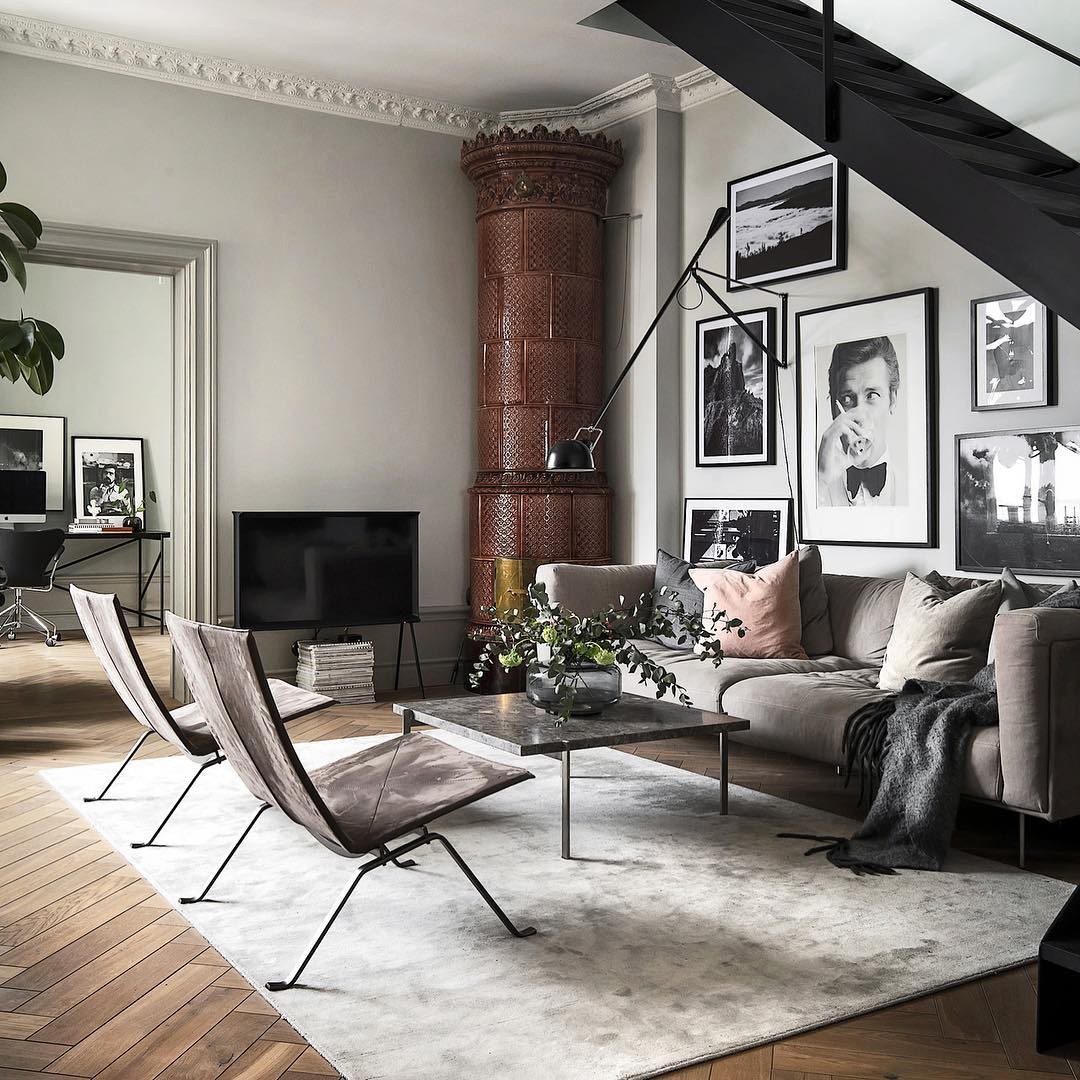
Creating a cozy home environment is about more than just aesthetics; it’s about cultivating a feeling of warmth, comfort, and relaxation. This involves a thoughtful approach to furniture placement, lighting, textiles, and the careful selection of accessories. The goal is to design spaces that invite you to unwind and feel truly at home.
Cozy Living Room Design
A cozy living room centers around creating a comfortable and inviting space for relaxation and socializing. Imagine a room anchored by a plush, oversized sectional sofa in a deep teal velvet, positioned to face a crackling fireplace (or a realistic electric fireplace for a modern touch). A large, chunky knit throw blanket draped over one arm adds both texture and warmth.
Soft, ambient lighting is key; consider a combination of a statement floor lamp with a warm-toned bulb casting a gentle glow, complemented by strategically placed table lamps on side tables. These lamps should use warm-white bulbs to enhance the cozy feeling. A low, coffee table made of reclaimed wood provides a rustic touch, and is topped with a collection of coffee table books and a scented candle.
A large, patterned rug in earthy tones grounds the space and adds another layer of texture. Personal touches, such as family photos in vintage frames and a collection of potted plants, complete the look, adding warmth and character.
The Role of Textures and Materials in Cozy Design
Different textures and materials play a significant role in establishing a cozy atmosphere. The interplay of various textures creates visual and tactile interest, adding depth and richness to a space. Think of the softness of a sheepskin rug underfoot, contrasted with the smooth, cool surface of a marble coffee table. The warmth of a chunky knit throw contrasts beautifully with the smooth linen of the sofa cushions.
Natural materials like wood, wool, and cotton evoke a sense of comfort and familiarity, while plush velvet and faux fur add luxury and tactile appeal. Incorporating a variety of textures – from rough to smooth, soft to hard – creates a multi-sensory experience that enhances the overall feeling of coziness. For example, the rough texture of a woven basket contrasts beautifully with the soft pile of a wool throw blanket.
Cozy Bedroom Design for Relaxation
A cozy bedroom prioritizes comfort and relaxation. The color palette should be calming and restful; think soft blues, greens, or muted grays. A plush, high-quality mattress is essential, topped with luxurious bedding in soft, natural materials like linen or cotton. Layers of bedding, including a duvet, a throw blanket, and decorative pillows in varying textures and patterns, add visual interest and warmth.
Soft, indirect lighting is crucial; a bedside lamp with a dimmer switch allows for adjusting the brightness to suit your needs. String lights or fairy lights draped around the room can add a touch of magic and whimsy. Avoid harsh overhead lighting. A thick, plush rug placed beside the bed provides a soft surface for your feet, and the addition of personal touches like books, plants, and artwork contributes to a personalized and relaxing atmosphere.
The overall effect should be one of serenity and tranquility, inviting you to unwind and drift off to sleep peacefully.
Elegant Home Decor Elements
Elevating a home’s aesthetic to a level of refined elegance requires careful consideration of various design elements. The strategic use of accent pieces, thoughtful lighting choices, and a cohesive color palette contribute significantly to creating a sophisticated and inviting atmosphere. This section will explore key components that define elegant home decor, focusing on material choices, lighting techniques, and a specific example of an elegantly designed dining room.
Elegant Accent Pieces by Material and Style
The selection of accent pieces plays a crucial role in establishing an elegant ambiance. Different materials offer unique visual impacts, contributing to the overall style and feel of a space.
- Metal: Silver or gold-toned metal accents, such as a delicately crafted brass candlestick holder or a set of brushed nickel picture frames, introduce a sense of sophistication and glamour. The reflective quality of metal adds depth and luminosity to a room. A sculpted metal sculpture can also serve as a statement piece, adding visual interest and a touch of modern artistry.
- Glass: Clear or delicately colored glass elements, like a crystal vase filled with fresh flowers or a set of elegant glass bowls, bring a sense of airy lightness and refinement. The transparency of glass allows light to filter through, enhancing the overall brightness of the space. A glass coffee table with a unique design can serve as a focal point, adding a touch of modern elegance.
- Wood: Richly toned wood pieces, such as a polished mahogany side table or a beautifully carved wooden mirror frame, convey a sense of warmth and timeless elegance. The natural grain and texture of the wood add a touch of organic beauty, creating a sophisticated and inviting atmosphere. A handcrafted wooden bowl can also serve as a unique and elegant accent piece.
Lighting to Enhance Elegance
Lighting is paramount in establishing the desired ambiance within a space. Different types of lighting fixtures, strategically placed, can dramatically enhance the elegance of a home.
- Ambient Lighting: This provides overall illumination, often achieved through recessed lighting or a statement chandelier. A crystal chandelier, for example, instantly elevates a room’s elegance, casting sparkling light and creating a focal point. Recessed lighting provides a more subtle and even illumination.
- Accent Lighting: This highlights specific features, such as artwork or architectural details. Track lighting can be used to showcase paintings or sculptures, while strategically placed wall sconces add a touch of sophistication and drama. A well-placed lamp can highlight a textured wall or a piece of furniture.
- Task Lighting: This provides focused light for specific activities, such as reading or dining. A stylish table lamp beside a comfortable armchair or a pendant light above a dining table provides both functionality and aesthetic appeal. The choice of lampshade material and style should complement the overall design.
Elegant Dining Room Mood Board
Imagine a dining room bathed in soft, natural light, where elegance and comfort seamlessly intertwine.The color scheme is a sophisticated palette of warm neutrals – creamy beige walls, accented by soft grey upholstery on the dining chairs. The dining table is made of dark stained walnut, showcasing its rich grain. The chairs are upholstered in a luxurious grey fabric with subtle texture.
A large, ornate mirror hangs above the sideboard, reflecting light and visually expanding the space. A crystal chandelier provides ambient lighting, while elegant candles in silver candle holders add a touch of romantic ambiance. The tableware consists of fine bone china, complemented by silver cutlery and elegant crystal glassware. A simple, yet elegant centerpiece of fresh flowers in a crystal vase completes the look.
This combination of warm neutrals, luxurious textures, and carefully chosen lighting creates a sophisticated and inviting dining experience. The overall ambiance is one of relaxed elegance, perfect for intimate gatherings or formal dinners.
Functional Home Decor Solutions
Integrating functionality seamlessly into your home’s aesthetic is key to creating a space that’s both beautiful and practical. This involves thoughtful consideration of furniture choices, storage solutions, and overall space planning, ensuring every element serves a purpose while enhancing the overall design. By prioritizing functionality, you can cultivate a more efficient and enjoyable living environment.
Multi-Purpose Furniture and Storage Solutions
Strategic use of multi-purpose furniture dramatically increases space efficiency. A classic example is an ottoman with integrated storage, providing seating while concealing blankets, games, or other items. Similarly, a sofa bed offers both seating and sleeping arrangements, ideal for guest rooms or small apartments. Modular shelving units can be configured to fit various spaces and needs, offering adaptable storage for books, décor, or even office supplies.
Coffee tables with drawers or lift-top mechanisms provide additional storage and work surfaces. Investing in such pieces allows for maximizing space and maintaining a clean, uncluttered look.
Maximizing Space and Storage in Small Homes
Small homes present unique challenges, but clever design solutions can transform them into comfortable and functional living spaces. Built-in storage, such as custom shelving or wardrobes, utilizes often-wasted vertical space. Mirrors strategically placed can create the illusion of larger rooms by reflecting light and expanding the visual perspective. Lightweight, transparent furniture, such as acrylic chairs or glass-top tables, avoids visual clutter and makes rooms feel less cramped.
Vertical storage solutions, like tall bookcases or narrow shelving units, optimize wall space without overwhelming the room. Utilizing under-bed storage containers and employing stackable storage bins for closets are further practical space-saving strategies. The key is to prioritize vertical space and utilize every available nook and cranny.
Designing a Functional and Stylish Home Office
Creating a functional and stylish home office requires careful planning and the right furniture choices. A well-designed workspace can boost productivity and well-being. Consider a desk with ample surface area, paired with an ergonomic chair for comfortable, prolonged use. Integrated storage drawers within the desk keep essential work items organized and readily accessible. A comfortable armchair or small sofa provides a space for breaks and relaxation, separating work and rest zones within the same room.
Adequate lighting is crucial; a combination of ambient, task, and accent lighting creates a versatile workspace. A good organizational system, such as a filing cabinet, bookshelf, or wall-mounted organizers, keeps paperwork and supplies neatly stored, contributing to a calm and productive atmosphere. Adding personal touches, such as plants or artwork, can personalize the space and enhance the overall aesthetic appeal, creating a balanced and efficient home office environment.
Creating Visual Guides: Home Decor Inspiration
Visual guides are invaluable tools for navigating the exciting, yet sometimes overwhelming, world of home decor. They provide a structured approach to understanding different styles, implementing key design principles, and planning successful renovations. This section offers visual aids and practical advice to inspire and guide your home decor journey.
Home Decor Styles Overview
A visual representation of various home decor styles can simplify the selection process. The table below showcases four distinct styles, highlighting their defining characteristics and typical elements.
| Style | Key Features | Color Palette | Example Items |
|---|---|---|---|
| Mid-Century Modern | Clean lines, organic shapes, functionality, tapered legs on furniture | Muted earth tones, pops of mustard yellow or teal | Iconic Eames chairs, low-profile sofas, sleek sideboards, geometric patterned rugs |
| Bohemian | Eclectic mix of patterns, textures, and global influences, layered textiles, handcrafted items | Rich jewel tones, earthy browns, warm oranges, pops of vibrant color | Macrame wall hangings, woven rugs, vintage furniture, colorful throw pillows, ethnic textiles |
| Scandinavian | Minimalism, functionality, natural light, simple lines, focus on natural materials | Neutral tones, whites, grays, beige, with accents of black or navy | Light wood furniture, sheepskin rugs, simple white walls, minimalist lighting |
| Farmhouse | Rustic charm, natural materials, vintage accents, distressed finishes, comfortable and welcoming feel | Creams, whites, beige, muted blues and greens | Reclaimed wood furniture, vintage metal accents, floral patterns, exposed beams, whitewashed walls |
Key Principles for Successful Home Decor
Understanding fundamental design principles is crucial for creating a space that is both aesthetically pleasing and functionally effective. The following principles guide the creation of a balanced, harmonious, and personally expressive home.
The following points emphasize the importance of balance, harmony, and personal expression in home decor.
- Balance: Distribute visual weight evenly throughout the room. Symmetrical balance creates a formal feel, while asymmetrical balance offers a more relaxed and dynamic atmosphere. For example, a large piece of furniture on one side of a room could be balanced by several smaller items on the other.
- Harmony: Create a cohesive look by using a consistent color palette, similar textures, and repeating design elements. For example, using the same wood tone throughout the furniture and flooring creates visual unity.
- Personal Expression: Incorporate items that reflect your personality, interests, and memories. Don’t be afraid to mix and match styles to create a unique space. A collection of family photos or travel souvenirs can add a personal touch.
- Proportion and Scale: Choose furniture and accessories that are appropriately sized for the room. Oversized furniture can overwhelm a small space, while undersized furniture can get lost in a large one. For example, a large sectional sofa might be suitable for a spacious living room, but not a small apartment.
- Functionality: Ensure that your design is practical and meets your needs. A beautiful space that is not functional is not truly successful. For example, well-placed storage solutions are essential for maintaining order and minimizing clutter.
Home Renovation Project Planning
Planning a home renovation requires a methodical approach to ensure a cohesive and successful outcome. The following steps Artikel a structured process from initial concept to completion.
This step-by-step guide provides a framework for managing a home renovation project effectively, ensuring a cohesive design throughout the process.
- Define Scope and Budget: Clearly Artikel the renovation’s goals, including specific areas to be renovated and desired outcomes. Establish a realistic budget that accounts for all potential costs, including materials, labor, and permits. For example, a kitchen renovation might involve replacing cabinets, countertops, and appliances, while a bathroom renovation might focus on updating fixtures and tiling.
- Design and Planning: Develop detailed plans, including sketches, measurements, and material selections. Consider the overall style and how it integrates with the existing home design. For example, creating mood boards and gathering inspiration images helps visualize the final outcome.
- Material Selection and Sourcing: Choose materials that align with the design plan and budget. Source materials from reputable suppliers, ensuring quality and timely delivery. For example, sourcing high-quality materials might increase upfront costs but improve longevity and aesthetic appeal.
- Obtain Necessary Permits: Secure all required building permits before commencing any work. This ensures compliance with building codes and regulations. The specific permits required vary depending on the scope of the renovation and local regulations.
- Project Execution and Monitoring: Oversee the renovation process, ensuring that work is completed according to the plan and schedule. Regularly inspect the progress and address any issues promptly. For example, regular meetings with contractors ensure that the project stays on track and any problems are identified early.
- Final Inspection and Completion: Conduct a final inspection to ensure that all work meets the agreed-upon standards and building codes. Complete any necessary paperwork and obtain final approvals. This step ensures the safety and quality of the completed renovation.
Ultimately, the most successful home decor reflects the personality and lifestyle of its inhabitants. By blending inspiration from various styles, prioritizing functionality, and incorporating personal touches, you can create a space that is not only beautiful but also a true reflection of you. Remember that the process is as important as the result; enjoy the journey of discovering your ideal home design and the satisfaction of bringing your vision to life.
This guide provides a starting point; let your creativity guide the rest.
Essential Questionnaire
What is the best way to choose a color palette for my home?
Consider your personal preferences, the amount of natural light in your space, and the overall mood you want to create. Start with a mood board and experiment with different combinations.
How can I make a small space feel larger?
Use light colors, mirrors, and strategically placed lighting to create an illusion of spaciousness. Choose multi-functional furniture and avoid cluttering the space.
Where can I find affordable home decor items?
Thrift stores, flea markets, online marketplaces, and discount home goods stores are great places to find budget-friendly decor. Consider DIY projects to personalize your space further.
How do I incorporate personal touches into my home decor?
Display cherished family photos, travel souvenirs, artwork you love, and items that hold sentimental value. These personal touches will add warmth and character to your space.


