
Designing for expansive living spaces presents unique challenges and exciting opportunities. While the sheer size offers freedom, it also necessitates careful planning to avoid a cold, cavernous feel. This guide explores effective strategies for furnishing, decorating, and illuminating large rooms, transforming them into warm, inviting, and functional havens.
From strategically placing furniture to choosing the right color palettes and lighting fixtures, we’ll delve into practical techniques and inspiring ideas to make the most of your abundant square footage. Whether you’re tackling a sprawling great room, a vast living area, or an expansive bedroom, this guide provides a comprehensive roadmap to achieve a cohesive and aesthetically pleasing design.
Defining Large Spaces in Home Decor
Defining “large space” in home decor isn’t solely about square footage; it’s a holistic assessment considering dimensions, layout, and the intended function. A high-ceilinged room might feel larger than a low-ceilinged one with the same square footage, and an open-plan layout can dramatically alter the perceived size compared to a series of smaller, compartmentalized rooms. Therefore, a multi-faceted approach is crucial for effective design in expansive interiors.Large spaces in home decor encompass areas that present unique challenges and opportunities compared to smaller rooms.
The feeling of spaciousness is subjective, influenced by factors beyond simple measurements. These factors include natural light, the placement of furniture, and the overall design aesthetic.
Characteristics of Large Spaces
Several key features distinguish large spaces. High ceilings (often exceeding 9 feet) contribute significantly to a sense of grandeur. Open floor plans, seamlessly connecting multiple areas, create a feeling of expansiveness. Significant square footage, typically exceeding 500 square feet for a single room, is another defining characteristic. However, even a smaller room can feel large if it incorporates these design elements.
Examples of Large Spaces
Great rooms, combining living, dining, and sometimes kitchen areas, are prime examples. Expansive living rooms, often found in larger homes, offer ample space for various furniture arrangements. Large bedrooms provide room for more than just a bed and dresser, allowing for seating areas, home offices, or even exercise equipment. Master suites, incorporating a large bedroom, bathroom, and walk-in closet, are another instance of large-scale living spaces.
Comparison of Large Space Design Challenges and Opportunities
| Room Type | Challenge | Opportunity | Recommended Approach |
|---|---|---|---|
| Great Room | Maintaining a sense of intimacy and preventing the space from feeling cavernous. | Creating multiple distinct zones for different activities while preserving flow and visual connection. | Use area rugs to define zones, incorporate varied furniture heights and scales, and strategically place lighting to highlight different areas. |
| Expansive Living Room | Avoiding a sparse or empty feeling; furniture placement to create a balanced and inviting atmosphere. | Flexibility in furniture arrangement and incorporating larger, statement pieces. | Create conversation areas with sectional sofas or multiple seating groups. Incorporate a large-scale artwork or focal point to anchor the room. |
| Large Bedroom | Maintaining a sense of coziness and preventing the room from feeling cold or impersonal. | Adding multiple functional areas such as a reading nook, home office, or exercise space. | Use layering techniques with textiles such as rugs, curtains, and throws. Create zones with furniture placement and incorporate warm lighting. |
| Master Suite | Coordinating the design across multiple spaces (bedroom, bathroom, closet) to create a cohesive and luxurious feel. | Creating a spa-like retreat with ample space for relaxation and pampering. | Use a consistent color palette and material choices throughout the suite. Incorporate luxurious finishes and textures in the bathroom and closet. |
Furniture Arrangement for Large Spaces
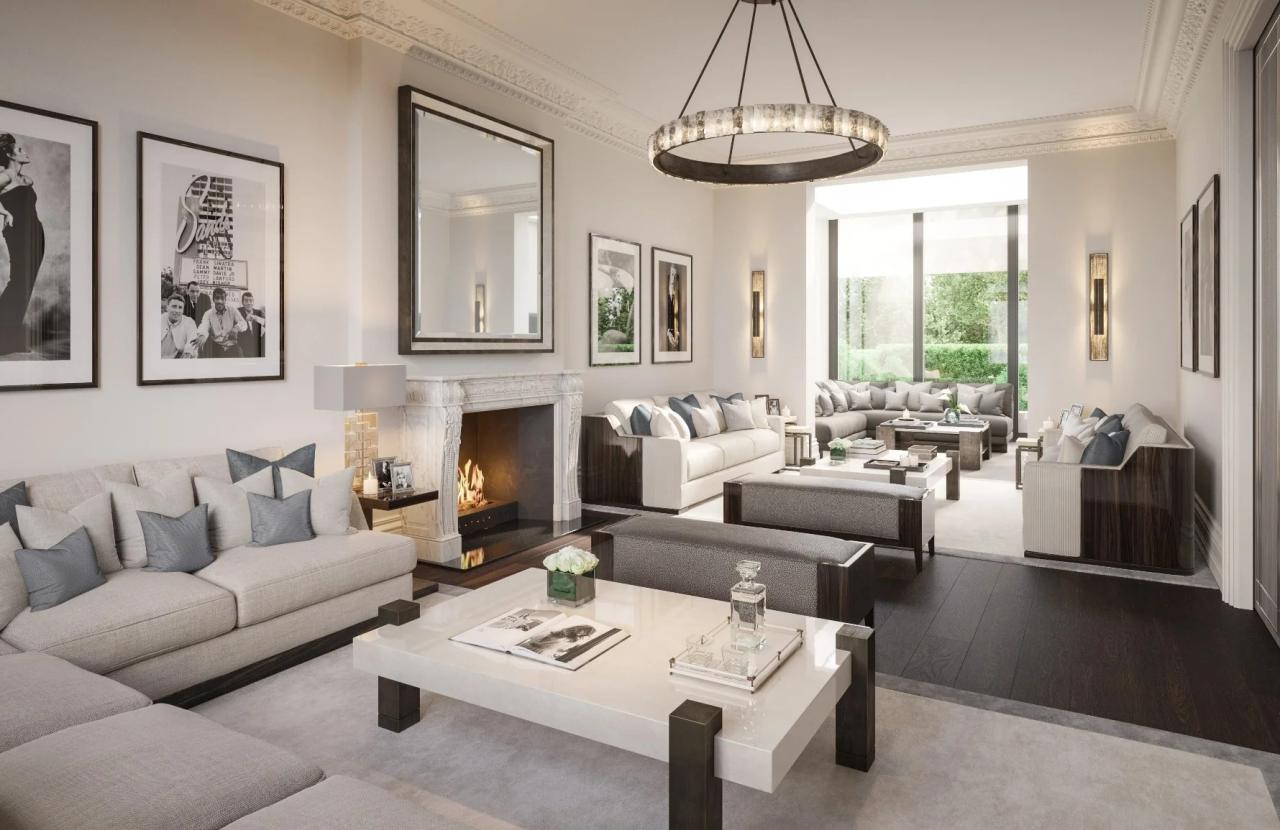
Furnishing a large space presents a unique challenge: avoiding the feeling of emptiness while maintaining a sense of flow and intimacy. The key lies in strategic furniture placement and the clever use of design elements to break up the expanse and create distinct zones. Proper arrangement not only enhances the aesthetic appeal but also improves functionality and comfort.Effective furniture arrangement in large spaces requires careful consideration of several factors, including the room’s dimensions, the available natural light, the intended use of the space, and the overall design style.
Simply scattering furniture around won’t suffice; a thoughtful approach is needed to achieve a balanced and welcoming atmosphere. The goal is to create a sense of cohesion and purpose, transforming a potentially overwhelming space into a comfortable and inviting home.
Area Rugs: Defining Zones and Creating Intimacy
Area rugs are invaluable tools for managing the scale of a large room. They act as anchors, visually grounding furniture groupings and defining distinct areas within the open plan. For instance, a large area rug under a seating arrangement in a living room creates a cozy conversational area, separating it from a nearby dining space. Using rugs of varying sizes and patterns can further delineate these zones while adding visual interest.
The rug’s size and color should complement the furniture and overall décor, creating a cohesive and balanced look. Avoid placing a rug that is too small, which can make the furniture look lost in the space. Conversely, a rug that’s too large can overwhelm the room.
Three Furniture Arrangements for a Large Living Room
Three distinct furniture arrangements illustrate how to effectively populate a large living room while maintaining flow and functionality.
Arrangement 1: The Conversational Grouping
Imagine a large, rectangular living room. This arrangement centers on a substantial sectional sofa facing a fireplace. A large area rug, perhaps in a neutral tone with subtle texture, anchors the sofa and a pair of armchairs positioned to encourage conversation. A low coffee table sits within easy reach of the seating, while a smaller side table next to one armchair provides a surface for drinks and lamps.
This setup creates a defined conversational area, leaving ample space for other activities elsewhere in the room. The fireplace acts as a natural focal point, drawing the eye and providing warmth.
Arrangement 2: The Zonal Approach
In this scenario, the living room is divided into distinct zones using area rugs and furniture placement. One area features a large L-shaped sofa and armchairs arranged around a coffee table, forming a relaxed seating area. A separate rug defines a reading nook with a comfortable armchair, a floor lamp, and a small bookshelf. A third zone might be designated for entertainment, featuring a media console and comfortable seating.
This arrangement utilizes the space efficiently while maintaining a sense of intimacy in each zone. The varied rug colors and textures add visual interest, preventing the space from feeling monotonous.
Arrangement 3: The Symmetrical Layout
This arrangement emphasizes balance and formality. Two identical sofas are positioned facing each other across a large area rug, creating a symmetrical and elegant layout. A coffee table sits centrally between the sofas, and two matching side tables flank the sofas. This layout is ideal for formal gatherings or spaces where a sense of order and symmetry is desired.
The use of matching furniture pieces creates a cohesive and polished look, while the large area rug unifies the arrangement and prevents the furniture from appearing scattered.
Color Schemes and Wall Treatments for Large Spaces
Large spaces present a unique opportunity in interior design; the scale allows for bold choices that might feel overwhelming in smaller rooms. The careful selection of color palettes and wall treatments is crucial in creating a cohesive and inviting atmosphere, preventing the space from feeling cavernous or cold. The right approach can transform a large room into a comfortable and stylish living area.Color palettes significantly influence the perceived size and ambiance of a large room.
Light and dark schemes each offer distinct advantages and considerations.
Light Color Schemes in Large Spaces
Light color schemes, encompassing pastels, whites, and light neutrals, are generally recommended for large rooms. These colors reflect light, making the space feel brighter and more expansive. A predominantly white living room, for instance, can feel airy and open, ideal for maximizing natural light. Subtle variations in shades of white or off-white on walls, trim, and furniture can add visual interest without diminishing the sense of spaciousness.
Consider incorporating light blues, greens, or lavenders for a calming and refreshing feel. These colors create a sense of serenity and openness, perfect for relaxation and socializing. For example, a light grey-blue can add sophistication without making the room feel small.
Dark Color Schemes in Large Spaces
While counterintuitive, dark color schemes can be surprisingly effective in large rooms, particularly those with abundant natural light. Deep blues, greens, and even blacks can create a dramatic and sophisticated atmosphere. The key is to balance the darkness with sufficient lighting and strategically placed lighter accents. Think of a dramatic living room with deep navy walls, complemented by cream-colored furniture and brass accents.
The darkness creates a sense of intimacy and coziness, a welcome contrast to the vastness of the space. However, it’s crucial to ensure adequate lighting – both ambient and task lighting – to avoid making the room feel oppressive.
Wall Treatments for Large Spaces
A large, blank wall can feel overwhelming. Strategic wall treatments add visual interest and break up the expanse without making the room feel cluttered.
Examples of Wall Treatments
A variety of wall treatments can enhance the aesthetic appeal of a large space. Wallpaper, particularly with a subtle pattern or texture, can add sophistication without overwhelming the room. A large-scale mural can become a striking focal point, adding personality and visual interest. Consider textured paint techniques, such as Venetian plaster or a textured roller application, to create depth and visual richness.
These techniques can add subtle dimension without being overpowering. Alternatively, a gallery wall featuring a curated collection of artwork can add personality and visual depth.
Living Room Design Example: A Serene Space with Textured Walls
Imagine a living room with walls finished in a warm, light grey with a subtle textured application, resembling a lightly brushed linen. This creates a sense of calm and sophistication without being stark. The furniture is a mix of light beige sofas and armchairs, with dark wood accents in coffee tables and sideboards. Large windows allow ample natural light to flood the room, bouncing off the light-colored walls and furniture, enhancing the spacious feel.
A large, abstract painting in muted blues and greens hangs above the fireplace, adding a focal point and a touch of color. The overall effect is a feeling of serene spaciousness and sophisticated elegance. The textured walls prevent the space from feeling flat, while the light color scheme maximizes the feeling of openness.
Lighting Design for Large Spaces
Effective lighting is paramount in large spaces, preventing them from feeling cavernous and uninviting. Proper illumination enhances the architectural features, creates distinct zones, and sets the desired mood, transforming a potentially overwhelming area into a comfortable and functional living space. A well-designed lighting plan considers not just brightness but also the quality, color temperature, and placement of light sources.Layered lighting is crucial for achieving the right ambiance and functionality in expansive rooms.
This approach combines three distinct types of lighting: ambient, task, and accent, each serving a specific purpose and contributing to the overall lighting scheme. This multifaceted strategy avoids harsh, uniform illumination and instead provides a dynamic and adaptable lighting environment.
Layered Lighting Explained
Ambient lighting provides overall illumination, setting the general mood and brightness level of the room. Think of it as the foundational layer. In large spaces, this might involve a combination of recessed lighting, chandeliers, or large pendant lights strategically positioned to distribute light evenly. Task lighting, on the other hand, focuses on specific areas where activities take place, providing concentrated light for reading, cooking, or working.
Examples include under-cabinet lighting in a kitchen, desk lamps, or adjustable floor lamps. Finally, accent lighting highlights architectural features, artwork, or other decorative elements, adding depth and visual interest. This might involve track lighting, picture lights, or strategically placed spotlights.
Examples of Lighting Fixtures for Large Spaces
Large spaces benefit from a variety of lighting fixtures, each chosen to complement the room’s style and functionality. For ambient lighting, a statement chandelier in a grand dining area can be a focal point, while recessed lighting provides even illumination throughout the space. Floor lamps with adjustable arms offer flexible task lighting in living areas, allowing for customized illumination.
Track lighting systems are versatile and ideal for highlighting artwork or architectural details in hallways or living rooms. In kitchens, under-cabinet lighting is essential for task illumination, while pendant lights over an island provide both ambient and task lighting. Stylish sconces can add warmth and elegance to walls, offering both ambient and accent lighting.
Lighting Placement Suggestions for a Large Open-Plan Kitchen and Dining Area
Creating a well-lit open-plan kitchen and dining area requires careful consideration of lighting placement. The open nature of the space necessitates a layered approach to ensure adequate illumination for all activities.
The following list details lighting placement suggestions for each zone:
- Kitchen Work Area: Recessed lighting for overall illumination, under-cabinet lighting for task lighting, and pendant lights above an island for both ambient and task lighting. This combination provides bright, functional light for food preparation and cleaning.
- Dining Area: A statement chandelier or a cluster of pendant lights as the primary light source, creating a warm and inviting ambiance for dining. This central fixture can be supplemented with dimmer switches for adjustable brightness levels.
- Living Area (if included): Floor lamps and table lamps for task and accent lighting, providing flexibility and targeted illumination for reading or other activities. Ambient lighting from recessed lights or wall sconces can be used to supplement the overall illumination.
- Transitional Spaces: Wall sconces or strategically placed pendant lights can define different zones within the open-plan area, providing a sense of separation without physically dividing the space. This can help to avoid a visually overwhelming space.
Decorative Elements for Large Spaces
Large spaces present a unique decorating challenge: the potential for emptiness. Successfully decorating a large room requires careful consideration of scale and impact. Overlooking this can lead to a feeling of vastness rather than welcoming coziness. Strategic placement of decorative elements is key to creating a balanced and visually appealing environment.Successfully filling a large space with decor involves using a combination of large-scale pieces to anchor the room and smaller, carefully chosen items to add layers of interest and personality.
Avoid simply scattering small items, as this can make the space feel cluttered and overwhelming instead of filled. The goal is to create a sense of grandeur and sophistication, not visual noise.
Large-Scale Artwork and Decorative Accessories
Large-scale artwork is an excellent way to command attention and visually anchor a large space. A striking piece, such as a monumental painting, a large tapestry, or a sculptural installation, can immediately transform the feel of a room. Consider the artwork’s color palette and style to ensure it complements the overall design scheme. Similarly, oversized mirrors can create the illusion of more space and reflect light, brightening the room.
For example, a large abstract painting in warm tones could serve as a focal point in a living room with neutral-toned furniture, while a bold geometric tapestry could add a modern touch to a minimalist space. Large decorative accessories, such as oversized vases, sculptures, or even a grand clock, can also serve to fill space and add personality.
Statement Pieces for Large Spaces
Statement pieces are essential for creating visual interest in large rooms. These are items that immediately capture the eye and define the room’s style. Examples include a dramatic chandelier, an antique armoire, a unique fireplace mantelpiece, or a grand piano. The visual impact of a statement piece depends on its size, color, texture, and placement. A well-chosen statement piece can anchor a room, creating a focal point that draws the eye and establishes a sense of balance.
For instance, a dramatic, crystal chandelier could elevate the elegance of a formal living room, while a vintage Persian rug could add warmth and character to a more eclectic space.
Decorative Items for a Large Living Room
The following list provides ten decorative items suitable for a large living room, categorized by function and style:
- Function: Focal Point; Style: Modern; Item: Large abstract canvas painting in bold colors.
- Function: Ambient Lighting; Style: Traditional; Item: Ornate chandelier with crystal accents.
- Function: Seating Area Definition; Style: Bohemian; Item: Oversized floor cushions and throws in various textures and patterns.
- Function: Storage & Display; Style: Rustic; Item: Large wooden bookcase filled with books and decorative objects.
- Function: Visual Interest; Style: Minimalist; Item: Sculptural floor lamp with a unique base.
- Function: Warmth & Texture; Style: Transitional; Item: Large area rug in neutral tones with subtle patterns.
- Function: Conversation Starter; Style: Eclectic; Item: Collection of vintage travel posters framed and displayed on a wall.
- Function: Ambient Light & Decor; Style: Contemporary; Item: Set of three oversized glass vases with varying heights and shapes.
- Function: Practicality & Style; Style: Industrial; Item: Metal coffee table with a unique design and storage.
- Function: Focal Point & Warmth; Style: Classic; Item: Large fireplace mantelpiece with a decorative mirror above.
Balcony Decor
Transforming your balcony into an outdoor oasis is a rewarding project, adding valuable living space and enhancing your home’s aesthetic appeal. The design possibilities are vast, dependent on factors like balcony size, orientation, and your personal style. Careful consideration of these elements will ensure a functional and visually pleasing space.Balcony Decor Styles and Considerations for Different Sizes and Orientations
Balcony Decor Styles
Balcony design styles are as diverse as interior design schemes. A small, south-facing balcony might lend itself to a minimalist Mediterranean style, emphasizing light colors, simple furniture, and drought-tolerant plants. Conversely, a large, north-facing balcony could support a more lush, bohemian style with abundant greenery and comfortable seating. A long, narrow balcony might benefit from a linear design, utilizing space-saving furniture and vertical gardening techniques.
Consider the amount of sunlight your balcony receives, prevailing winds, and privacy needs when selecting a style.
Furniture and Accessories for Balconies
Choosing weather-resistant furniture is paramount for balcony decor. Materials like wicker, aluminum, and resin are popular choices due to their durability and resistance to the elements. For seating, consider lightweight folding chairs or a small bistro set. A weatherproof coffee table adds functionality. Accessories should also be chosen for their weather resistance.
Textiles such as outdoor-rated cushions and rugs add comfort and style but should be stored indoors when not in use. Metal or ceramic planters are ideal for displaying plants, offering a touch of nature to the space.
Example Balcony Decor Scheme
Imagine a small, west-facing balcony. The design focuses on creating a cozy and intimate space for relaxation. A wrought iron bistro set, painted a soft sage green, forms the focal point. Two comfortable, weather-resistant cushions in a muted floral pattern adorn the chairs. A small, round, terracotta planter filled with trailing ivy hangs from the railing, softening the hard lines of the metal.
A small, weatherproof side table holds a solar-powered lantern and a stack of books. The flooring is a simple, dark grey stone tile, providing a neutral backdrop for the brighter elements. The overall feel is relaxed, inviting, and aesthetically pleasing, maximizing the limited space. The ivy provides a touch of greenery and softens the hard lines of the metalwork, creating a visually appealing and relaxing space.
The muted colors and simple design contribute to a sense of calm and tranquility.
Accent Pieces
Accent pieces play a crucial role in elevating the design of a large space, preventing it from feeling empty or overwhelming. They add personality, visual interest, and a sense of completion, tying together different design elements and creating focal points. Strategic placement of accent pieces can dramatically impact the overall aesthetic, transforming a vast room from bland to breathtaking.Accent pieces are more than mere decorations; they’re the finishing touches that define a space’s character.
They can introduce pops of color, contrasting textures, and unique artistic expressions, injecting life and vibrancy into a room’s design. The right accent pieces can enhance the existing decor style, while also offering opportunities to experiment with new textures, colors, and forms. Consider them the jewelry of your interior design.
Examples of Accent Pieces for Large Spaces
A large space provides ample opportunity to incorporate a variety of accent pieces without feeling cluttered. The key is thoughtful placement and careful selection of items that complement the overall aesthetic. Consider scale and proportion—a small piece can get lost in a large room, while an oversized piece can dominate and overwhelm.
Five Accent Pieces and Their Application Across Decor Styles
Choosing the right accent pieces is vital for creating a cohesive and visually appealing large space. The following examples illustrate how diverse accent pieces can enhance various interior design styles.
- A Large-Scale Sculpture: A striking abstract sculpture can serve as a dramatic focal point in a minimalist or modern space. Its clean lines and bold form would complement the simplicity of the surroundings. In a more eclectic setting, a more ornate sculpture with intricate details could add a touch of whimsy and visual complexity. For a traditional space, a classic bronze or marble sculpture would maintain the elegance and sophistication of the existing décor.
- An Area Rug: In a large living room, a sizable area rug can anchor furniture groupings and define separate zones within the open space. A geometric patterned rug would be suitable for a contemporary design, while a plush, Persian-style rug could add warmth and richness to a traditional setting. A bold, colorful rug could introduce a pop of vibrancy into a more neutral space.
- Statement Mirrors: Large mirrors not only add visual interest but also help to enhance the sense of spaciousness. A beautifully framed antique mirror could complement a vintage or shabby chic design, while a modern, geometric mirror would suit a contemporary or minimalist aesthetic. A large, ornate mirror can be a show-stopping piece in a more formal space.
- A Collection of Decorative Bowls: A curated collection of decorative bowls, varying in size, material, and color, can be displayed on a mantelpiece, coffee table, or shelves. This creates a visually engaging arrangement that adds texture and visual depth. The bowls’ colors and materials can complement a variety of styles, from rustic to modern, depending on the chosen pieces. For example, a collection of ceramic bowls in earthy tones would fit well in a bohemian setting, while sleek, metallic bowls would be ideal for a contemporary space.
- Tall Planters with Greenery: Large, statement planters filled with lush greenery add life and vibrancy to any space. The height of the planters draws the eye upward, adding vertical interest. In a minimalist space, simple, sleek planters filled with a single type of plant can be impactful. In a more eclectic space, a variety of plants and planter styles can create a visually rich and dynamic display.
Cozy Decor
Creating a cozy atmosphere in a large space might seem counterintuitive; however, with thoughtful design choices, you can easily cultivate a warm and inviting ambiance, even in expansive rooms. The key lies in strategically using design elements to define intimate zones and enhance a sense of comfort and enclosure.Large spaces often feel cold and impersonal due to their sheer size.
To combat this, focus on layering textures, incorporating warm lighting, and choosing furniture and décor that promote a feeling of snugness and security. The goal is to create pockets of comfort within the larger space, making it feel less overwhelming and more welcoming.
Cozy Textures and Fabrics
The incorporation of plush textiles is crucial for achieving a cozy feel. Think soft, thick rugs that anchor furniture groupings and define areas. These rugs shouldn’t just be functional; they should also be visually appealing and texturally rich. Consider a shag rug, a high-pile wool rug, or even a luxurious faux fur rug for added warmth and comfort underfoot.
Similarly, incorporate plush throws and cushions in various textures – velvet, chenille, faux fur – onto sofas and armchairs. These tactile elements add layers of warmth and visual interest, transforming a potentially stark space into a welcoming haven. Think about the color palette too; earth tones, muted jewel tones, and creams are particularly effective at creating a sense of calm and comfort.
Warm Lighting for a Cozy Ambiance
Lighting plays a significant role in setting the mood. Harsh overhead lighting can make a large room feel cold and impersonal. Instead, opt for a layered lighting scheme that combines ambient, task, and accent lighting. Ambient lighting, such as floor lamps with soft, warm-toned bulbs, provides a general illumination. Task lighting, like table lamps or desk lamps, illuminates specific areas for reading or working.
Accent lighting, such as strategically placed wall sconces or fairy lights, adds warmth and visual interest. Avoid bright, white light; instead, choose warm white or soft yellow bulbs to create a cozy and inviting atmosphere. Consider using dimmer switches to adjust the intensity of the lighting depending on the mood and time of day.
Creating a Cozy Reading Nook
A well-designed reading nook can transform a large living room into a sanctuary of relaxation. Begin by selecting a quiet corner, perhaps nestled near a window for natural light. Place a comfortable armchair or a small sofa in this area. A floor lamp with a soft, adjustable shade provides focused task lighting for reading, while a throw blanket draped over the armrest adds a layer of warmth and visual appeal.
A small side table next to the chair is perfect for holding a book, a cup of tea, and a reading lamp. The use of a patterned rug under the chair further defines the space and adds to the cozy ambiance. Consider incorporating plants for added life and a touch of nature. The overall effect should be a secluded and inviting space where one can comfortably curl up with a good book.
Elegant Decor
Elegant home decor transcends mere aesthetics; it’s about creating a sophisticated and refined atmosphere that reflects personal style and a keen eye for detail. This is achieved through a careful selection of color palettes, high-quality materials, and thoughtfully chosen accessories, all working in harmony to produce a feeling of understated luxury.Elegant decor emphasizes simplicity and quality over quantity. Clutter is avoided, and each piece serves a purpose, contributing to the overall sense of calm and sophistication.
The focus is on creating a space that feels both inviting and impressive, a sanctuary where one can relax and entertain with equal ease.
Color Palettes for Elegant Decor
The color palette plays a crucial role in establishing an elegant ambiance. Neutral tones such as creamy whites, soft greys, and muted beiges form the foundation of many elegant schemes. These are often complemented by accent colors chosen for their richness and depth, such as deep blues, emerald greens, or warm golds. The overall effect should be one of subtle sophistication, avoiding anything too bright or jarring.
A classic example would be a living room featuring soft grey walls, cream-colored furniture, and accents of navy blue and gold.
High-End Materials and Finishes
The materials used are key to achieving an elegant look. High-end materials convey quality and luxury, adding to the overall sense of refinement. Examples include:
- Natural Stone: Marble, granite, and limestone add a touch of timeless elegance. Imagine a marble-topped coffee table or a granite fireplace surround.
- High-Quality Wood: Richly toned woods such as mahogany, walnut, or cherrywood contribute warmth and sophistication. A dining table crafted from solid walnut would be a stunning centerpiece.
- Luxurious Fabrics: Velvet, silk, and linen add texture and opulence. Think plush velvet sofas or silk throw pillows.
- Metallic Accents: Polished brass, brushed nickel, or antique silver add subtle sparkle and glamour. These could be incorporated through light fixtures, door handles, or decorative accessories.
These materials are often paired with exquisite finishes such as hand-carved details, intricate inlay work, or polished surfaces to further enhance the sense of luxury.
An Elegant Dining Room
Imagine a spacious dining room bathed in soft, natural light. The walls are painted a warm, creamy white, providing a neutral backdrop for the room’s elegant features. A large, rectangular dining table crafted from dark walnut sits at the center, surrounded by eight plush velvet chairs upholstered in a deep teal. A stunning crystal chandelier hangs above the table, casting a warm, inviting glow.
A large, ornate mirror hangs above a sideboard, reflecting the light and adding depth to the room. Subtle metallic accents are present in the brushed nickel hardware on the sideboard and the delicate silver detailing on the serving dishes. The overall effect is one of understated luxury and timeless elegance. The space feels both grand and intimate, perfect for both formal dinners and relaxed family meals.
Functional Decor
Incorporating functional elements into the design of a large space is crucial for creating a home that is both aesthetically pleasing and practical. A well-designed large room can easily become overwhelming if functionality is overlooked, leading to clutter and a sense of disorganization. Prioritizing functionality ensures that the space is enjoyable and efficient for its intended use.Large rooms present unique opportunities for creative storage solutions and organizational systems.
Clever design choices can transform empty space into valuable storage areas, while simultaneously enhancing the overall aesthetic. Effective organization is key to maintaining a sense of calm and order, even within a spacious environment.
Storage Solutions and Organizational Systems
Effective storage is paramount in large spaces. Overlooking storage leads to clutter and a less-than-ideal living experience. A variety of options exist, each suited to different needs and styles. Built-in shelving units, for instance, offer a seamless and space-saving solution, often customized to fit the room’s dimensions and the homeowner’s belongings. These can be crafted from wood, metal, or a combination of materials to match the overall decor.
Imagine a sleek, minimalist wall unit made of light oak, seamlessly integrated into a modern living room, offering ample space for books, decorative items, and media equipment. Alternatively, freestanding storage solutions, such as stylish storage ottomans or modular shelving systems, offer flexibility and portability, allowing for easy rearrangement as needed. A modular system, composed of various sized cubes and shelves, could be arranged to create a unique and personalized storage solution in a child’s playroom, easily adaptable as the child grows.
Creating a Functional and Stylish Home Office
A home office within a large space offers the opportunity to create a dedicated and productive workspace. Careful planning is key to balancing functionality and aesthetics. The design should incorporate both work and storage areas, ensuring efficient workflow and organization. A dedicated desk, ideally positioned near a window for natural light, forms the heart of the office.
Consider a large, L-shaped desk to maximize workspace and accommodate multiple monitors or devices. Adjacent to the desk, built-in shelving or a stylish filing cabinet can provide organized storage for documents and office supplies. Imagine a custom-built desk made from reclaimed wood, paired with a sleek metal filing cabinet and open shelving for books and decorative items, creating a unique and functional workspace that complements a rustic-chic home design.
Incorporating comfortable seating, such as an ergonomic chair and a small sofa or armchair for breaks, enhances the overall comfort and productivity of the space. Adequate lighting, both ambient and task lighting, is crucial for reducing eye strain and creating a pleasant working environment.
Mastering home decor for large spaces is about balancing scale, creating intimacy, and injecting personality. By thoughtfully considering furniture arrangement, color schemes, lighting, and decorative elements, you can transform potentially overwhelming areas into comfortable, stylish, and truly livable spaces. Remember, the key is to create zones, add visual interest, and infuse your personal style to achieve a home that reflects your unique taste and lifestyle.
Key Questions Answered
How do I avoid making a large room feel empty?
Use area rugs to define zones, incorporate large-scale furniture pieces, and layer decorative elements such as artwork, plants, and textiles.
What kind of furniture is best suited for large spaces?
Consider oversized sofas, sectionals, and statement chairs. Avoid overly delicate or small pieces which can get lost in the space.
How do I choose the right lighting for a large room?
Implement layered lighting: ambient (overall illumination), task (focused lighting for specific activities), and accent (highlighting features).
What are some affordable ways to decorate a large space?
Utilize affordable options like repurposed furniture, DIY projects, and thrifted finds. Focus on a few statement pieces rather than many small ones.


