
The increasing awareness of environmental concerns is driving a significant shift in consumer preferences, particularly within the home decor sector. Sustainable home decor, once a niche market, is rapidly gaining popularity as individuals seek to minimize their environmental footprint while creating aesthetically pleasing living spaces. This exploration delves into the multifaceted aspects of sustainable home decor, examining the materials, manufacturing processes, and lifespan of products, ultimately guiding consumers toward informed and responsible choices.
We will explore the crucial role of ethical sourcing, responsible manufacturing, and product durability in creating a truly sustainable home environment. From understanding eco-friendly materials and certifications to learning practical tips for extending the life of your decor, this guide aims to empower you to make conscious decisions that benefit both your home and the planet.
Defining Sustainable Home Decor
Sustainable home decor encompasses the design, production, and consumption of home furnishings and accessories with minimal negative impact on the environment and society. It prioritizes the use of eco-friendly materials, responsible manufacturing processes, and durable, long-lasting products to reduce waste and resource depletion. This approach contrasts sharply with unsustainable practices that prioritize short-term profits over long-term environmental and social well-being.Sustainable home decor considers the entire lifecycle of a product, from raw material sourcing to disposal or recycling.
This holistic perspective ensures that environmental and social considerations are integrated throughout the process, minimizing harm at every stage. By choosing sustainable options, consumers actively participate in creating a more responsible and equitable industry.
Environmental and Social Impacts of Unsustainable Home Decor
Unsustainable home decor practices contribute significantly to environmental degradation and social injustice. The use of unsustainable materials, such as chemically treated wood, plastics derived from fossil fuels, and non-renewable resources, leads to deforestation, pollution, and greenhouse gas emissions. The manufacturing processes often involve harmful chemicals and energy-intensive techniques, further exacerbating environmental problems. Furthermore, unsustainable practices frequently exploit workers in developing countries, leading to unfair labor conditions and low wages.
The short lifespan of many mass-produced items results in increased waste, contributing to landfill overflow and resource depletion. For instance, the fast fashion industry, which also impacts home decor trends, generates significant textile waste, polluting waterways and consuming vast amounts of water and energy.
Comparison of Sustainable and Unsustainable Materials
Sustainable and unsustainable materials differ significantly in their environmental impact and social responsibility. Unsustainable materials often involve resource-intensive extraction, toxic chemical treatments, and energy-intensive manufacturing processes. In contrast, sustainable materials are sourced responsibly, processed with minimal environmental harm, and often biodegradable or easily recyclable. For example, rapidly renewable bamboo is a sustainable alternative to slow-growing hardwoods, while recycled glass offers a greener option compared to newly manufactured glass.
The use of organic cotton, reclaimed wood, and recycled plastics exemplifies a shift towards responsible material sourcing.
Environmental Impact of Various Materials
| Material | Source | Manufacturing Impact | Disposal/Recycling |
|---|---|---|---|
| Wood (Hardwood) | Deforestation, habitat loss | High energy consumption, potential for chemical treatments | Landfill, potential for reuse/recycling (limited) |
| Bamboo | Rapidly renewable, low environmental impact | Low energy consumption, minimal chemical treatments | Biodegradable, compostable |
| Plastic | Fossil fuels | High energy consumption, toxic emissions | Landfill, difficult to recycle, microplastic pollution |
| Recycled Materials (e.g., glass, metal) | Waste streams | Lower energy consumption compared to virgin materials | Recyclable, reduces landfill waste |
Sourcing Sustainable Materials
Creating truly sustainable home decor requires a meticulous approach to sourcing materials. Ethical considerations are paramount, extending beyond simply choosing eco-friendly options to encompass the entire supply chain, from origin to final product. This involves ensuring fair labor practices, environmental protection, and the preservation of natural resources.The ethical sourcing of materials for sustainable home decor hinges on transparency and traceability.
Consumers increasingly demand to know the origin of their products and the conditions under which they were produced. This necessitates a shift towards greater accountability within the industry, with brands actively disclosing their sourcing practices and working with suppliers who adhere to strict ethical guidelines. Fair trade practices, ensuring fair wages and safe working conditions for producers, are crucial.
Similarly, responsible forestry practices, such as those certified by the Forest Stewardship Council (FSC), are vital for ensuring the long-term sustainability of timber resources. The use of sustainably harvested wood minimizes deforestation and protects biodiversity.
Key Certifications and Labels for Sustainable Sourcing
Several certifications and labels provide consumers with assurance that products have been sourced sustainably. The Forest Stewardship Council (FSC) certification, for example, guarantees that wood products come from responsibly managed forests. The Global Organic Textile Standard (GOTS) certifies that textiles are made from organically produced fibers and processed using environmentally friendly methods. Other certifications, specific to certain materials or processes, exist and provide valuable information to discerning consumers seeking truly sustainable home decor.
These labels provide a degree of transparency and help navigate the complexities of sustainable sourcing.
Challenges and Opportunities in Large-Scale Sustainable Material Access
Scaling up the use of sustainable materials presents significant challenges. The availability of certain materials, particularly those certified as sustainably sourced, can be limited, leading to higher costs. Furthermore, establishing reliable supply chains that meet both ethical and environmental standards requires significant investment and effort. However, there are also substantial opportunities. Growing consumer demand for sustainable products is driving innovation and creating a market for eco-friendly alternatives.
Technological advancements are also making it easier to recycle and reuse materials, opening up new avenues for sustainable sourcing. For example, the increasing use of recycled plastic in furniture and home accessories demonstrates the potential for transforming waste into valuable resources. The development of bio-based materials, such as bamboo and cork, also offers promising alternatives to traditional materials with lower environmental impacts.
Advantages and Disadvantages of Reclaimed and Recycled Materials
The use of reclaimed or recycled materials in home decor offers several compelling advantages and some drawbacks that need careful consideration.
The benefits of using reclaimed or recycled materials are numerous:
- Reduced environmental impact: Reclaimed and recycled materials lessen the demand for virgin resources and reduce waste.
- Unique character and aesthetic appeal: Reclaimed materials often possess a unique patina and history, adding character and charm to home decor.
- Cost savings: In some cases, reclaimed or recycled materials can be more cost-effective than new materials.
- Contribution to circular economy: Using these materials supports a circular economy model, reducing waste and maximizing resource utilization.
However, there are also some potential disadvantages:
- Availability and consistency: Finding suitable reclaimed or recycled materials can be challenging, and their quality and availability may vary.
- Potential for hidden damage: Reclaimed materials may have hidden damage or imperfections that require careful inspection and repair.
- Higher processing costs: Processing some recycled materials may require specialized techniques or equipment, increasing costs.
- Limited design options: The range of designs and styles available in reclaimed or recycled materials may be more limited compared to new materials.
Manufacturing Processes and Impacts
The manufacturing process significantly impacts the environmental footprint of home decor products. From the energy consumed to the waste generated, each step in production contributes to the overall sustainability of the final product. Understanding these impacts allows for informed choices and the adoption of more environmentally responsible practices.The environmental impact of traditional manufacturing methods in the home decor industry is substantial.
High energy consumption, often relying on fossil fuels, contributes significantly to greenhouse gas emissions. Furthermore, the generation of significant waste, including material scraps, chemical byproducts, and packaging, adds to landfill burdens and pollution. The use of harmful chemicals in some processes can also contaminate water sources and air quality.
Energy Consumption and Waste Generation in Home Decor Manufacturing
Different manufacturing techniques exhibit varying levels of energy consumption and waste generation. For instance, mass production using heavy machinery typically requires significantly more energy than handcrafted methods. Similarly, processes involving synthetic materials often generate more waste than those using natural, renewable resources. The following table provides a comparison:
| Manufacturing Method | Energy Consumption (relative) | Waste Generation (relative) | Example Materials |
|---|---|---|---|
| Mass Production (e.g., injection molding plastic furniture) | High | High | Plastics, mass-produced fabrics |
| Traditional Woodworking (e.g., handcrafted wooden furniture) | Medium | Medium | Solid wood, natural finishes |
| 3D Printing (using bioplastics) | Medium-Low | Low | Bioplastics, recycled plastics |
| Upcycling/Repurposing | Low | Low | Recycled wood, reclaimed metal |
Note: The relative energy consumption and waste generation are estimations and can vary based on specific processes and materials used.
Sustainable Manufacturing Techniques
Sustainable manufacturing practices aim to minimize environmental harm throughout the production process. This includes utilizing renewable energy sources, reducing waste through efficient design and production techniques, and employing less harmful chemicals. Examples include:* Lean manufacturing: This approach focuses on eliminating waste and maximizing efficiency in every stage of production, reducing both energy consumption and material waste. A furniture manufacturer might implement lean manufacturing by optimizing their cutting process to minimize wood waste.
Closed-loop systems
These systems aim to reuse or recycle materials, minimizing waste sent to landfills. A textile company could implement a closed-loop system by collecting and recycling fabric scraps to create new products.
Renewable energy sources
Utilizing solar, wind, or hydroelectric power during manufacturing reduces reliance on fossil fuels and lowers greenhouse gas emissions. A ceramic studio might power its kilns with solar energy.
Water conservation
Implementing water-efficient technologies and practices in manufacturing reduces water consumption and minimizes water pollution. A textile factory might use water-saving dyeing techniques.
Carbon Footprint Comparison
Traditionally manufactured home decor items generally have a significantly larger carbon footprint than sustainably produced ones. This difference stems from the higher energy consumption, greater waste generation, and often the use of non-renewable resources in traditional manufacturing. For example, a mass-produced plastic chair will have a considerably higher carbon footprint than a chair made from sustainably harvested wood and finished with low-VOC paints.
The use of recycled materials and renewable energy sources in sustainable production processes dramatically reduces the overall environmental impact.
Sustainable Home Decor Styles and Trends
The burgeoning interest in sustainability is profoundly impacting interior design, driving a shift towards eco-conscious choices and aesthetically pleasing, ethically sourced home decor. This movement encompasses not only the materials used but also the overall design philosophy, reflecting a growing awareness of the environmental and social implications of our consumption habits. Emerging trends showcase a blend of minimalist aesthetics with a renewed appreciation for natural materials and handcrafted pieces.
Emerging Trends in Sustainable Home Decor
Several key trends are shaping the landscape of sustainable home decor. The rise of biophilic design, emphasizing the integration of natural elements into interior spaces, is prominent. This includes incorporating natural light, plants, and natural materials like wood and stone to create a calming and restorative environment. Another significant trend is the increasing popularity of upcycled and repurposed furniture and decor, giving new life to existing items and reducing waste.
Finally, the demand for transparency and traceability in the supply chain is growing, with consumers increasingly seeking information about the origin and production methods of the products they purchase.
Examples of Leading Designers and Brands
Several designers and brands are at the forefront of the sustainable home decor movement. For example, companies like Ten Thousand Villages showcase handcrafted items from artisans around the world, ensuring fair wages and sustainable practices. Other brands focus on using recycled materials, such as reclaimed wood or ocean-bound plastics, to create unique and stylish furniture and accessories.
Designers are increasingly incorporating sustainable materials and practices into their collections, demonstrating that sustainability and style are not mutually exclusive. Many are adopting circular economy principles, designing products for durability, repairability, and recyclability.
Examples of Sustainable Home Decor Styles
To illustrate the diverse possibilities, let’s examine three distinct sustainable home decor styles.
1. Minimalist Scandinavian Style: This style emphasizes simplicity, functionality, and natural light. Key characteristics include clean lines, neutral color palettes (often whites, grays, and beiges), and the use of natural materials like light-colored wood (such as sustainably harvested birch or pine), linen textiles, and wool rugs. Furniture pieces are typically simple and unadorned, focusing on quality and longevity.
A minimalist Scandinavian living room might feature a light wood coffee table made from sustainably sourced timber, a linen sofa, and a wool rug sourced from ethical suppliers. The overall effect is a sense of calm and spaciousness.
2. Rustic Farmhouse Style: This style embraces the warmth and charm of natural materials and handcrafted details. Key characteristics include the use of reclaimed wood, stone, and metal, often with visible imperfections that add character. Textiles might include cotton, wool, or linen in earthy tones. Furniture is often vintage or repurposed, showcasing unique details and a sense of history.
A rustic farmhouse kitchen could feature reclaimed wood countertops, vintage metal pendant lights, and woven cotton placemats. The overall atmosphere is cozy, inviting, and grounded.
3. Bohemian Eclectic Style: This style is characterized by its free-spirited and layered aesthetic. It combines various textures, patterns, and materials, often incorporating vintage and handcrafted items. Key characteristics include the use of natural fibers like jute, cotton, and wool, alongside upcycled furniture and textiles. A mix of colors and patterns creates a vibrant and eclectic space.
A bohemian eclectic bedroom might feature a macrame wall hanging, a vintage rug made from recycled materials, and a bedspread crafted from organic cotton. The overall feel is relaxed, expressive, and personal.
Sustainable Home Decor Styles and Associated Materials
| Style | Primary Materials | Secondary Materials | Key Characteristics |
|---|---|---|---|
| Minimalist Scandinavian | Sustainably harvested wood (birch, pine), linen, wool | Recycled metal, glass | Clean lines, neutral colors, functionality |
| Rustic Farmhouse | Reclaimed wood, stone, metal | Cotton, wool, linen textiles | Warmth, natural materials, visible imperfections |
| Bohemian Eclectic | Jute, cotton, wool, recycled textiles | Upcycled furniture, vintage items | Layered textures, vibrant colors, eclectic mix |
Balcony Decor Accent Pieces
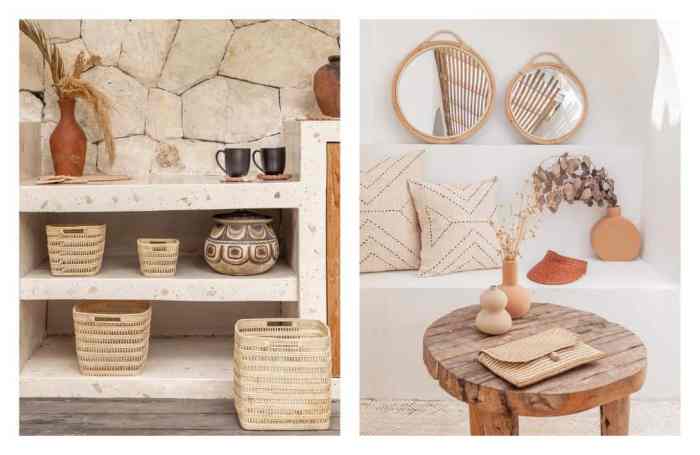
Transforming a balcony into a sustainable and stylish oasis involves thoughtful selection of decor. Accent pieces, in particular, can significantly impact the overall aesthetic and environmental footprint of this outdoor space. By choosing sustainable materials and mindful designs, we can create beautiful and eco-conscious balcony havens.
Recycled Wood Planter Box
This planter box utilizes reclaimed wood, giving new life to discarded materials. The aesthetic is rustic-chic, with visible wood grain and perhaps subtle variations in color reflecting the wood’s history. Construction involves carefully selecting and cleaning reclaimed wood planks, ensuring they are free from rot or infestation. The planks are then cut to size and assembled using eco-friendly, non-toxic wood glue and screws.
A simple, natural oil finish protects the wood without masking its character. The planter box’s design could incorporate built-in drainage holes to prevent waterlogging and promote healthy plant growth. Its size can be customized to fit various balcony sizes and plant selections. The use of reclaimed wood reduces landfill waste and lowers the carbon footprint associated with new lumber production.
Upcycled Glass Bottle Wind Chimes
These wind chimes repurpose discarded glass bottles, creating a visually appealing and sonorous addition to the balcony. The aesthetic is playful and bohemian, with the varying shapes and colors of the bottles contributing to a unique charm. Construction involves carefully cleaning and preparing the glass bottles. Holes are then drilled into the bottom of each bottle, ensuring careful handling to avoid breakage.
The bottles are then strung together using durable, weather-resistant cord or fishing line, creating a cascading effect. Small, sustainably sourced beads or shells can be added between the bottles for visual interest. The gentle tinkling sound produced by the wind chimes adds a soothing ambiance to the balcony. Upcycling glass bottles reduces waste and minimizes the demand for new glass production.
Repurposed Metal Can Planters
These planters transform used metal cans into functional and stylish containers for herbs or small plants. The aesthetic is industrial-minimalist, with the clean lines and metallic sheen of the cans providing a contemporary feel. Construction involves thoroughly cleaning and drying the cans. Drainage holes are punched or drilled into the bottom of each can. The cans can then be painted with non-toxic, eco-friendly paint in a variety of colors to complement the balcony’s overall design.
Alternatively, the cans can be left in their natural metallic state for a more rustic look. These planters can be hung using sturdy hooks or placed directly on the balcony railing or floor. Using repurposed metal cans reduces waste and lowers the demand for new materials, contributing to a sustainable balcony space.
Cozy Decor
Creating a cozy and inviting home environment is a fundamental aspect of interior design, and fortunately, this can be achieved sustainably without compromising on comfort or style. By thoughtfully selecting materials and focusing on natural textures and warm tones, a welcoming atmosphere can be cultivated while minimizing environmental impact. This section explores sustainable materials ideal for achieving a cozy ambiance and suggests their implementation in various home decor elements.
Sustainable Materials for Cozy Decor
The selection of materials significantly influences the overall feel and sustainability of a cozy space. Prioritizing natural, renewable, and ethically sourced materials ensures both environmental responsibility and a welcoming atmosphere.
- Organic Cotton: A soft, breathable fabric perfect for cushions, throws, and bed linens. Its natural fibers provide a comforting texture and warmth, while organic farming practices minimize the use of harmful pesticides and chemicals.
- Wool: Naturally insulating and moisture-wicking, wool is an excellent choice for rugs, throws, and even wall hangings. Opt for wool from responsibly managed farms to ensure animal welfare and sustainable practices.
- Bamboo: A rapidly renewable resource, bamboo can be woven into rugs, used in furniture construction, or crafted into decorative accents. Its smooth texture and natural golden hue contribute to a calm and inviting space.
- Recycled Jute: A strong, durable fiber often used in rug making, recycled jute provides a sustainable alternative to virgin materials. Its natural texture adds warmth and character to a room.
- Cork: A lightweight, sustainable material derived from the bark of the cork oak tree, cork can be used in coasters, trivets, or even as wall cladding to add a unique textural element to a cozy space. The harvesting process is environmentally friendly, as it doesn’t harm the tree itself.
Incorporating Sustainable Materials into Cozy Decor Elements
These sustainable materials translate beautifully into various cozy decor elements, contributing to a comfortable and environmentally conscious home.
For example, organic cotton can be used to create plush cushions in earthy tones, adding a touch of softness to a living room or bedroom. A chunky knit wool throw draped over a sofa instantly elevates the coziness factor, while a recycled jute rug provides both warmth underfoot and a natural, textured element to the floor. Bamboo can be incorporated through shelving units or small decorative pieces, adding a subtle yet stylish touch.
Finally, cork coasters or trivets offer a practical and aesthetically pleasing way to introduce this sustainable material into a kitchen or living space. The use of these natural materials together creates a cohesive and inviting atmosphere.
Elegant Decor
Sustainable materials needn’t compromise elegance; in fact, they can elevate it. By thoughtfully selecting and crafting sustainable resources, we can achieve sophisticated and luxurious home decor that’s both beautiful and environmentally responsible. The inherent beauty of natural materials, often enhanced by minimal processing, lends itself perfectly to creating pieces with a timeless appeal.Sustainable materials offer a unique opportunity to create elegant and sophisticated home decor by emphasizing natural textures, understated colors, and refined craftsmanship.
The inherent beauty and unique character of these materials often surpass the uniformity of mass-produced items, adding a touch of individuality and artistry to any space. This approach aligns with current trends that prioritize authenticity and mindful consumption.
Examples of Elegant Sustainable Materials
The choice of sustainable materials significantly impacts the overall aesthetic. Certain materials inherently convey elegance and luxury, lending themselves beautifully to high-end design.
- Reclaimed Wood: Aged wood, salvaged from old buildings or sustainably harvested forests, possesses a rich patina and unique grain patterns. Its inherent imperfections add character and tell a story, contributing to its luxurious appeal. The varied tones and textures offer a depth that synthetic materials cannot replicate.
- Bamboo: Known for its strength and versatility, bamboo can be crafted into elegant furniture and accessories. Its warm, golden hue and smooth texture contribute to a sophisticated look. Polished bamboo pieces can achieve a remarkable sheen, adding a touch of modern elegance.
- Organic Cotton: While not typically used for structural elements, organic cotton in rich colors or intricate weaves can be used for upholstery, throws, or cushions. Its soft texture and natural drape create a luxurious feel, particularly when used in a neutral palette accented with subtle details.
- Cork: Cork’s unique texture and natural warmth lend themselves to elegant accessories. It can be used to create sophisticated wall coverings, decorative trays, or even stylish furniture pieces. Its subtle, earthy tones add a touch of understated sophistication.
Elegant Decor Pieces Made from Sustainable Materials
The following examples showcase how sustainable materials can be used to create stunning and elegant decor pieces.
- A Reclaimed Wood Coffee Table: Imagine a low, rectangular coffee table crafted from reclaimed oak planks. The wood shows its age gracefully, with variations in color and texture creating a visually captivating surface. The legs could be simple, clean lines of dark metal, providing a striking contrast to the warm wood. The overall effect is one of rustic elegance, suitable for a modern or traditional living room.
- A Bamboo and Linen Floor Lamp: This lamp features a slender, polished bamboo stalk as its central support, topped with a linen shade in a soft, neutral tone. The linen’s natural texture provides a soft, diffused light, while the bamboo adds a touch of organic elegance. The overall design is minimalist yet sophisticated, perfect for a bedroom or reading nook.
- A Cork and Glass Side Table: A small, round side table with a top made from a single, large sheet of polished cork. The cork’s unique texture and warm tone are complemented by a clear glass base, creating a visually striking piece. This piece combines natural warmth with modern transparency, suitable for a variety of interior styles.
Functional Decor
Functionality is paramount in sustainable home decor. Choosing pieces that serve multiple purposes minimizes waste and maximizes space, aligning perfectly with the ethos of sustainability. Prioritizing items with lasting value and adaptability ensures that your home decor remains both stylish and practical for years to come, reducing the need for frequent replacements. This approach also minimizes the environmental impact associated with the production and disposal of short-lived trends.Sustainable home decor doesn’t mean sacrificing style for practicality; instead, it’s about finding a harmonious balance between the two.
Many beautifully designed pieces offer incredible functionality, demonstrating that sustainability and aesthetics can coexist beautifully. This section explores examples of multifunctional sustainable home decor items and strategies for creating functional and sustainable storage in small spaces.
Multifunctional Sustainable Home Decor Items
The key to achieving both functionality and sustainability lies in selecting pieces that serve multiple roles. This reduces the overall number of items needed, minimizes material consumption, and ultimately lowers the environmental footprint.
- Upcycled Storage Ottomans: Imagine a storage ottoman crafted from reclaimed wood, offering both seating and concealed storage for blankets or toys. The upcycled wood reduces waste and gives the piece a unique character, while the storage function maximizes space efficiency.
- Modular Shelving Units: These adaptable systems can be configured to suit changing needs and spaces. Made from sustainable materials like bamboo or reclaimed wood, they offer versatile storage for books, plants, or decorative items. Their modular design allows for easy expansion or reconfiguration as needed, extending their lifespan and minimizing waste.
- Repurposed Ladder Bookshelves: An old wooden ladder, stripped and refinished, can become a charming and functional bookshelf, offering a unique and sustainable storage solution. This repurposing method prevents perfectly good wood from ending up in landfills.
Designing a Functional and Sustainable Storage Solution for a Small Space
Creating a functional and sustainable storage solution for a small space requires careful planning and creative thinking. Maximizing vertical space and utilizing multi-functional furniture are key strategies.The design should prioritize built-in storage solutions whenever possible, maximizing space utilization without compromising aesthetics. For example, built-in shelving units can be integrated seamlessly into the wall, providing ample storage without taking up valuable floor space.
These can be crafted from sustainably sourced materials like bamboo or reclaimed wood, further enhancing the sustainability of the solution. Consider using vertical space with tall, narrow shelving units to store items that are not frequently used, freeing up valuable floor space for other purposes. Furthermore, the use of baskets and containers made from sustainable materials, such as recycled paper or seagrass, can help organize and conceal items while adding a touch of natural texture to the space.
Creating a sustainable home doesn’t necessitate sacrificing style or comfort. By understanding the principles of sustainable home decor—from sourcing responsible materials to choosing durable, long-lasting pieces—we can transform our living spaces into havens that reflect both our aesthetic preferences and our commitment to environmental stewardship. The journey towards a sustainable home is a continuous process of learning and adaptation, but the rewards—a beautiful, eco-conscious space and a smaller environmental impact—are well worth the effort.
FAQ Overview
What are some common sustainable materials for home decor?
Bamboo, reclaimed wood, recycled glass, organic cotton, and cork are popular choices.
How can I tell if a home decor product is truly sustainable?
Look for certifications like FSC (Forest Stewardship Council) or GOTS (Global Organic Textile Standard), and check for transparency about sourcing and manufacturing processes.
Are sustainable home decor products more expensive?
Often, yes, but the higher initial cost is often offset by increased durability and longevity, reducing the need for frequent replacements.
Where can I find sustainable home decor products?
Many online retailers and independent boutiques specialize in sustainable home goods. Check local craft markets and support ethical brands directly.


