
Transforming a small balcony into a vibrant and inviting oasis is achievable with careful planning and the right selection of plants. This guide explores various aspects of balcony gardening, from initial design and plant choices to creating specific aesthetic styles and incorporating functional elements. We’ll cover everything from choosing the perfect plants for your climate and balcony size to selecting complementary décor that enhances both the visual appeal and the overall atmosphere of your space.
We’ll delve into diverse design schemes, offering inspiration for minimalist, bohemian, and modern styles. Learn how to maximize space using vertical gardening techniques, and discover how to create a cohesive look by coordinating plant colors, textures, and balcony furniture. Practical tips on incorporating lighting, fountains, and other accent pieces will complete your balcony makeover.
Planning Your Balcony Garden
Transforming a small balcony into a vibrant green space requires careful planning and consideration of space limitations. A well-designed balcony garden not only enhances the aesthetic appeal of your outdoor area but also provides a tranquil retreat and the opportunity to grow your own herbs, flowers, or even vegetables. This section Artikels key steps to effectively plan and create your ideal balcony garden.
Balcony Garden Layout for Small Spaces
Maximizing sunlight and plant placement is crucial in a small balcony garden. A strategic layout ensures all plants receive adequate light and prevents overcrowding. Consider the direction your balcony faces (south-facing balconies receive the most sunlight) and the height of your plants. Taller plants should be placed at the back, allowing shorter plants to receive sufficient sunlight. A simple grid system can help you visualize the arrangement.
For instance, a 6ft x 3ft balcony could be divided into 1ft x 1ft squares to facilitate placement.
| Plant Type | Sunlight Needs | Spacing Requirements (inches) | Notes |
|---|---|---|---|
| Basil | 6-8 hours | 12-18 | Prefers well-drained soil |
| Tomatoes (dwarf variety) | 6-8 hours | 18-24 | Needs sturdy support |
| Strawberries | 6-8 hours | 12 | Trailing plant, suitable for hanging baskets |
| Petunias | 4-6 hours | 6-12 | Tolerates partial shade |
Balcony Planter Styles and Suitability
Choosing the right planter style is vital for both aesthetics and plant health. Different planter styles cater to various plant types and balcony sizes.Hanging planters are ideal for trailing plants like strawberries and petunias, maximizing vertical space and adding visual interest. Vertical planters, such as wall-mounted systems or trellises, are perfect for space-saving and climbing plants like tomatoes or ivy.
Tiered planters offer a layered effect, allowing you to grow a variety of plants at different heights, even in a small area. Consider the weight of the planters when fully watered, especially for upper floors. For example, heavy clay pots might be unsuitable for a small, weak balcony railing.
Essential Gardening Supplies Shopping List
Having the right tools and materials ensures a smooth and successful gardening experience. The following list covers essential supplies:
- Planters: Choose planters appropriate for your chosen plants and balcony size (consider material, drainage holes, and size).
- Potting Soil: Opt for a high-quality potting mix suitable for your plants’ needs.
- Watering Can: A watering can with a rose head for gentle watering.
- Gardening Gloves: Protect your hands from dirt and potential thorns.
- Hand Trowel: For planting, weeding, and general soil manipulation.
- Fertilizer: Choose a balanced fertilizer suitable for your plants. Consider slow-release fertilizers for less frequent application.
- Plant Supports (optional): Trellises, stakes, or cages for climbing or sprawling plants.
Balcony Decor with Plants
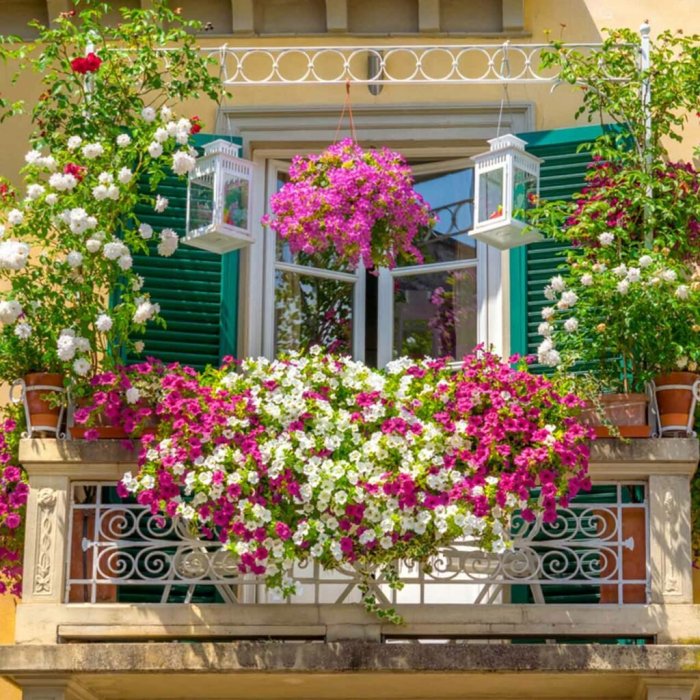
Transforming a balcony into a vibrant outdoor oasis is achievable with careful planning and consideration of style. The right combination of plants, planters, and other decorative elements can create a space that is both aesthetically pleasing and functional. This section explores different design schemes and techniques to maximize your balcony’s potential.
Balcony Decor Schemes: Minimalist, Bohemian, and Modern Styles
Choosing a design scheme is crucial for establishing a cohesive aesthetic. Each style offers a unique approach to incorporating plants and decor, catering to diverse tastes and preferences. The following Artikels three distinct schemes, showcasing how plants can complement the overall design.
- Minimalist Balcony: This style emphasizes simplicity and clean lines. Imagine a sleek, dark grey metal railing adorned with two large, terracotta pots containing a single, striking plant in each – perhaps a tall, slender bamboo plant and a lush, green fern. The pots themselves are simple, cylindrical, and unadorned. The flooring might be simple concrete, complemented by a small, modern metal bistro set.
The overall color palette is muted, with greys, whites, and deep greens dominating. The focus is on the inherent beauty of the plants, uncluttered by excessive ornamentation.
- Bohemian Balcony: This scheme embraces a more eclectic and layered look. Picture a vibrant mix of textures and colors. Wicker furniture, colorful cushions, and macrame wall hangings create a relaxed atmosphere. Various sizes and shapes of terracotta, ceramic, and even repurposed tin cans are used as planters. Trailing plants like ivy and flowering vines spill over the edges, adding to the abundance.
A variety of plants with different textures and colors – from bright geraniums to delicate succulents – contribute to a lively, almost jungle-like feel. The overall effect is whimsical and inviting.
- Modern Balcony: Clean lines and geometric shapes define this style. Sleek, white or light grey planters made of concrete or metal are used to house plants with strong architectural forms, such as succulents arranged in geometric patterns or boxwood hedges shaped into cubes. The furniture might be a modern, minimalist lounge chair and a small side table. A neutral color palette, punctuated by pops of vibrant color from strategically placed plants, maintains a sophisticated and contemporary look.
The overall feeling is one of calm order and refined elegance.
Incorporating Vertical Gardening Techniques
Vertical gardening is a space-saving solution that also adds visual interest. It’s especially beneficial for smaller balconies. Several techniques can be employed to create vertical gardens.
- Wall-mounted planters: These can be simple shelves or more elaborate systems with individual pots or pockets for plants. Imagine a series of sleek, white rectangular planters mounted on a wall, each containing a different type of trailing plant, creating a cascading effect. The overall effect is clean and modern.
- Trellises and climbing structures: These provide support for climbing plants, maximizing vertical space. A rustic wooden trellis, adorned with climbing roses or fragrant jasmine, creates a romantic and inviting atmosphere. The visual impact is significant, transforming a bare wall into a blooming feature.
- Vertical hanging gardens: These involve hanging planters at varying heights, creating a three-dimensional effect. Imagine several different sized terracotta pots, each filled with trailing plants of varying colors and textures, suspended at different heights from the ceiling or railing, creating a dynamic and visually interesting display.
Coordinating Plant Colors and Textures with Balcony Decor
A cohesive look is achieved by thoughtfully coordinating plant colors, textures, and shapes with the balcony furniture and other decor. For example, the cool greens and blues of succulents can complement a minimalist space with a neutral color palette. Conversely, the vibrant colors of flowering plants can add a lively touch to a bohemian setting. Consider the textures as well; the smooth leaves of a jade plant contrast nicely with the rough texture of a wicker chair.
By carefully selecting plants that complement the overall design scheme, you can create a truly harmonious and visually appealing space.
Balcony Decor Accent Pieces
Adding accent pieces to your balcony garden elevates its aesthetic appeal, transforming it from a simple collection of plants into a stylish and inviting outdoor space. Careful selection of these pieces complements your existing greenery and creates a cohesive design. The right accent pieces can enhance the mood and functionality of your balcony, creating a personal oasis.Choosing the right materials for your accent pieces is crucial in achieving your desired aesthetic.
Different materials contribute unique qualities and visual impacts.
Material Choices for Balcony Decor
The choice of materials for your accent pieces significantly influences the overall style and longevity of your balcony decor. Wood offers a warm, natural feel, complementing most plant types and creating a relaxed atmosphere. Metal provides a more modern and potentially industrial look, while wicker brings a touch of rustic charm and breathability. Consider the climate and your personal preference when making your selection.
Metal, for example, might be more durable in harsh weather conditions.
Accent Piece Examples
The following table illustrates examples of accent pieces that enhance a balcony garden.
| Accent Piece | Description | Material Options | Impact on Aesthetic |
|---|---|---|---|
| Lighting | String lights, lanterns, or solar-powered pathway lights create ambiance and extend usability into the evening. | Metal, glass, wicker, plastic | Adds warmth and a romantic or modern feel, depending on the style. |
| Fountain | A small tabletop fountain or a wall-mounted fountain adds a calming water feature and a soothing soundscape. | Stone, ceramic, metal | Creates a tranquil and meditative atmosphere. |
| Outdoor Rug | Defines the space, adds comfort, and protects the flooring. | Synthetic fibers, natural fibers (jute, sisal), wool | Adds texture, color, and warmth, tying the design elements together. |
| Sculptures or Statues | Small, weather-resistant sculptures or statues add visual interest and personality. | Stone, resin, metal | Adds a focal point and a touch of elegance or whimsy, depending on the style. |
Texture and Pattern in Balcony Decor
A successful balcony design considers the interplay of textures and patterns to create visual interest and depth. Imagine a balcony with a smooth, dark metal bistro set, juxtaposed against the rough texture of a woven jute rug. The rug’s natural pattern contrasts beautifully with the sleek lines of the furniture, while the soft texture of trailing plants adds another layer of visual interest.
This layering of textures and patterns prevents the design from feeling flat or monotonous. Using different shades of green in your plants further enhances the visual depth. A mix of large-leafed and small-leafed plants creates a dynamic and interesting display.
Creating a Cozy Balcony Atmosphere
Transforming your balcony into a cozy retreat involves a thoughtful blend of warm lighting, comfortable seating, and soft textures. The goal is to create a space that feels inviting, relaxing, and perfect for unwinding after a long day or enjoying a quiet evening. This can be achieved through careful consideration of the elements that contribute to a sense of warmth and comfort.The key to a truly cozy balcony lies in the details.
By layering different elements, you can build a space that feels both visually appealing and incredibly comfortable. Think of it as creating an outdoor living room, a personal sanctuary where you can escape the everyday hustle and bustle.
Outdoor Fabrics and Textiles
Adding warmth and comfort to your balcony is easily achieved through the strategic use of outdoor fabrics and textiles. Think plush cushions in rich colors and textures, such as deep blues, greens, or earthy tones. A throw blanket draped over a chair instantly adds a layer of softness and invites you to curl up with a good book.
Consider using weather-resistant materials like Sunbrella fabrics for cushions and throws, ensuring they can withstand the elements while maintaining their luxurious feel. Outdoor rugs in natural fibers like jute or sisal add texture and ground the space, creating a defined area within the balcony. A patterned rug can add visual interest and tie the overall color scheme together.
For example, a vibrant patterned rug can complement neutral-toned furniture, while a solid-colored rug can provide a calm and serene backdrop for colorful cushions and plants.
Soft Lighting Options
Soft lighting is crucial for creating a relaxing ambiance on your balcony. Harsh overhead lighting can feel stark and uninviting, while softer options create a warm and intimate atmosphere. Candles, strategically placed in weather-resistant holders, offer a romantic and flickering glow. Consider using citronella candles to deter insects while enjoying the ambiance. String lights, draped along railings or across the ceiling, add a magical touch, casting a warm, inviting light.
Solar-powered lanterns offer a sustainable and convenient lighting solution, adding a gentle glow without the need for electricity. For a more sophisticated look, consider using outdoor floor lamps or wall sconces with warm-toned bulbs. These provide a more focused light source, perfect for reading or enjoying a quiet evening. Experiment with different lighting levels and placements to find the perfect balance for your personal preference.
A combination of candles, string lights, and perhaps a small lamp can create a layered and inviting light scheme.
Achieving Elegant Balcony Decor
Transforming a balcony into an elegant outdoor retreat involves a careful selection of materials, plants, and decorative elements. The goal is to create a sophisticated and refined space that reflects personal style and offers a tranquil escape. By focusing on quality and thoughtful design choices, even the smallest balcony can exude a sense of upscale charm.Sophisticated materials play a crucial role in establishing an elegant ambiance.
The careful choice of materials elevates the overall aesthetic, transforming a simple outdoor space into a refined haven.
Material Selection for Elegant Balcony Design
The use of high-quality materials significantly impacts the overall aesthetic. Wrought iron, with its intricate detailing and dark, often antique finish, provides a classic and timeless elegance. Imagine a wrought iron railing adorned with climbing roses, creating a romantic and sophisticated backdrop. Stone, whether it’s natural stone paving or meticulously crafted stone planters, adds a touch of rustic luxury.
The natural texture and variations in color lend a sense of permanence and understated elegance. High-quality fabrics, such as weather-resistant linen or outdoor-specific velvet cushions, introduce comfort and texture. These fabrics, in neutral tones or rich jewel tones, add a touch of opulence and invite relaxation. Consider a plush, deep-colored cushion on a wrought iron chair, creating a striking contrast and luxurious seating area.
Elegant Plant Choices for Upscale Balconies
The selection of plants is paramount in achieving an elegant balcony design. Certain plant varieties inherently possess a sophisticated aesthetic, contributing to the overall refined atmosphere.Flowering vines, such as clematis or climbing roses, add a touch of romanticism and vertical interest. Their delicate blooms and lush foliage create a visually appealing and fragrant backdrop. Ornamental grasses, like feather reed grass or blue fescue, offer a textural contrast and a sense of movement.
Their graceful swaying in the breeze adds a dynamic element to the static elements of the balcony design. Boxwood, with its perfectly manicured shape and deep green foliage, provides a structured and classic element, suitable for formal balcony designs. The consistent shape and rich color create a refined and sophisticated appearance.
Incorporating Decorative Elements for Elegance
Subtle yet impactful decorative elements can significantly elevate the elegance of a balcony design. Carefully chosen additions can transform the space into a sophisticated sanctuary.Sculptures, especially those crafted from materials like bronze or stone, add a touch of artistic flair. A small, elegantly designed bronze bird sculpture or a simple stone fountain can create a focal point and add a sense of refined artistry.
Fountains, even small tabletop varieties, introduce the soothing sound of running water, contributing to a tranquil and luxurious atmosphere. The gentle murmur of water adds a calming element to the overall ambiance. Consider a small, elegant fountain featuring a minimalist design and subtle lighting, creating a sophisticated focal point. The addition of carefully chosen lighting, such as strategically placed lanterns or string lights, enhances the overall ambiance, particularly in the evening.
Soft, warm lighting casts a flattering glow and creates an inviting atmosphere.
Functional Balcony Decor
Transforming a balcony from a neglected space into a functional and aesthetically pleasing extension of your home involves careful planning and creative solutions. This section explores design strategies to maximize your balcony’s potential, focusing on practical storage, efficient workspaces, and comfortable seating arrangements. The key is to blend functionality with style, creating a space that is both useful and visually appealing.A well-designed balcony balances practicality with aesthetics.
Effective space utilization is crucial, especially in smaller spaces. Careful consideration of furniture choices, storage solutions, and the overall layout is essential for achieving a functional and comfortable outdoor haven. This involves maximizing vertical space and incorporating clever storage solutions to keep the area clutter-free and inviting.
Storage Solutions for Small Balconies
Maximizing storage on a balcony is crucial for maintaining a tidy and enjoyable space. Several strategies can help achieve this. Built-in shelving, slim storage units, and even creatively repurposed items can dramatically improve storage capacity.
- Built-in Shelving: Custom-built shelving units maximize vertical space and provide ample storage for plants, tools, and other items. These can be designed to fit seamlessly into the balcony’s architecture, creating a clean and integrated look. Imagine sleek, white shelves running the length of one wall, providing a clean, minimalist backdrop for potted plants.
- Slim Storage Units: Narrow, tall storage units are ideal for small balconies. These can house everything from gardening supplies to cushions and blankets, keeping them organized and out of sight. Consider a unit with multiple drawers and shelves for efficient organization. A dark-colored unit could create a sophisticated and space-saving addition to a minimalist balcony design.
- Repurposed Items: Creative repurposing can add character and functionality. Old crates can be stacked to create unique shelving, while repurposed metal buckets can serve as stylish planters. An old wooden ladder leaning against a wall can be transformed into a vertical planter for herbs or trailing plants.
Incorporating Built-in Seating and Shelving
Built-in seating and shelving offer a highly efficient way to maximize space and functionality on a balcony. These elements can be custom-designed to perfectly fit the available area, creating a cohesive and stylish design.
- Built-in Seating with Storage: A built-in bench with storage underneath provides both seating and hidden storage for cushions, blankets, or other items. This can be crafted from wood, metal, or composite materials, depending on the overall balcony design. Imagine a long, low bench made from weathered wood, perfectly complementing a rustic balcony aesthetic.
- Shelving Integrated into Seating: A built-in bench with integrated shelving above provides both seating and display space for plants or decorative items. This creates a visually appealing and practical design element. A clean-lined, modern bench with integrated shelving could showcase a collection of succulents or small potted plants.
Space-Saving Solutions for Small Balconies
Small balconies necessitate creative solutions to accommodate furniture and maintain a comfortable and functional space. Foldable furniture and other space-saving options are essential for maximizing limited areas.
- Foldable Furniture: Foldable chairs, tables, and even small sofas are ideal for small balconies. These can be easily stored away when not in use, freeing up valuable space. Consider a set of lightweight, foldable aluminum chairs and a small, foldable table for a simple yet functional seating area. These could be easily stored away when not in use.
- Wall-Mounted Tables: Wall-mounted tables fold down when needed and fold neatly against the wall when not in use. This saves significant space, ideal for small balconies where space is at a premium. A sleek, white wall-mounted table could create a minimalist workspace or dining area.
- Vertical Gardening: Vertical gardening maximizes vertical space and minimizes the need for floor-based planters. Wall-mounted planters, hanging baskets, and vertical gardening systems are ideal for small balconies. A vertical herb garden could add a pop of green while freeing up valuable floor space.
Creating a beautiful and functional balcony garden is a rewarding experience that enhances your living space and provides a tranquil retreat. By carefully considering plant selection, design aesthetics, and practical considerations, you can transform your balcony into a personal sanctuary. Remember to prioritize plant health, choose décor that reflects your style, and most importantly, enjoy the process of creating your own unique outdoor haven.
Q&A
What are some good pest control options for balcony plants?
Natural methods like neem oil, insecticidal soap, and diatomaceous earth are effective against common pests. For more serious infestations, consult a local gardening center for appropriate solutions.
How often should I water my balcony plants?
Watering frequency depends on the plant type, weather conditions, and pot size. Check the soil moisture regularly; water when the top inch feels dry. Avoid overwatering, which can lead to root rot.
How do I protect my balcony plants from strong winds?
Consider using windbreaks like screens or strategically placing larger plants to shield more delicate ones. Choose wind-tolerant plant varieties and secure pots to prevent them from tipping over.


